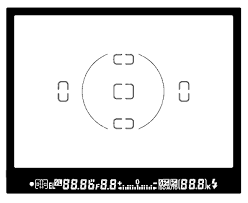
Auto focus points are the sensors that allow you to focus on a subject. You would see them as squares or rectangles in your lens that you use to focus. Auto focus looks for lines in your image and finds the thing your trying to focus on. Some points only focus or look for horizontal lines, some look for vertical lines. Some points (especially on more advanced cameras) have cross focus. They focus on both vertical and horizontal lines. My Nikon D50 has 5 auto focus points, two horizontal, two vertical, one cross focus.
Aperture, shutter speed, and ISO are the main three factors that control the exposure of a photo, as well as make up the Exposure Triangle. Balancing these three factors is essential for a good quality photo.
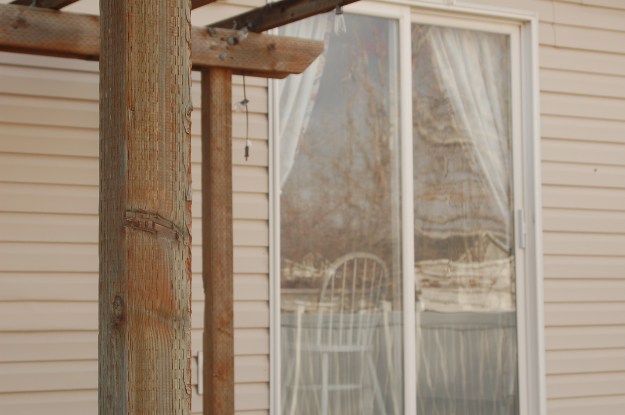
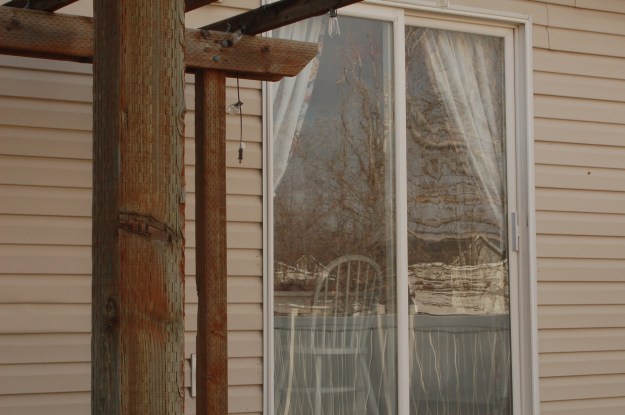
Aperture controls how wide the lens is open. This affects how much light is let in to the lens, as well as the depth of field. In the first photo above I used an aperture of 5.6, a shutter speed of f1/250, and an ISO of 200. While the photo is bright and well exposed, the only thing in focus is the main subject. In the second photo I used an aperture of 22, a shutter speed of f1/85, and an ISO of 200. This photo is a little darker, but everything in the photo is clearly in focus.
Freeze Motion- Shutter Speed 1/800
Blur Motion- Shutter Speed 1/50
Shutter speed controls how fast the curtains of the camera open and close. This assists in controlling how exposed the photo is, and also controls how blurry the subject of focus is. It also controls how blurry the background of the photo is. In the first photo, the subject is in focus, while the background is blurry. This is called blur motion, and gives the appearance that the object in the photo is moving quickly. In the second photo, everything is perfectly in focus, giving the appearance that time has stopped, or frozen. When you have a higher shutter speed, your image will be darker, and vise versa.
ISO 800
ISO 200
ISO increases the brightness of a photo at the expense of image quality. ISO measures the sensitivity of the image sensor. The lower the number the less sensitive your camera is to light and the finer the grain. By choosing a higher ISO you can use a faster shutter speed, or a higher aperture, and get the photo you need. But the higher your ISO is the more “noise” there is in the image.
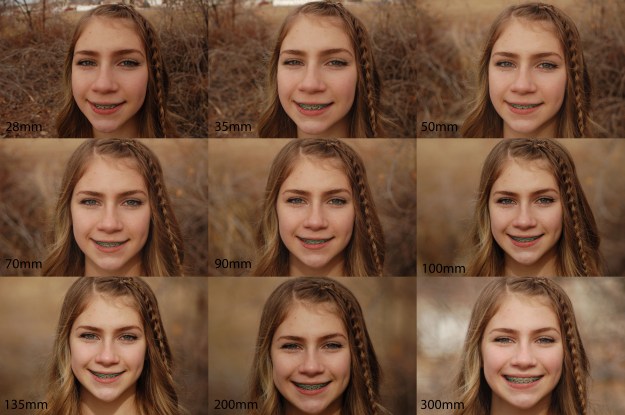
Focal length is how far you are away from the subject as well as zoomed in. when you are at a small distance from the subject (28mm) the image is warped and the face is thinned, and the background looks closer and sharper. as you get farther away, the image compresses, and rounds out your face, as well as blurs the background. 70mm to 100mm is considered the average human face shape for this example.
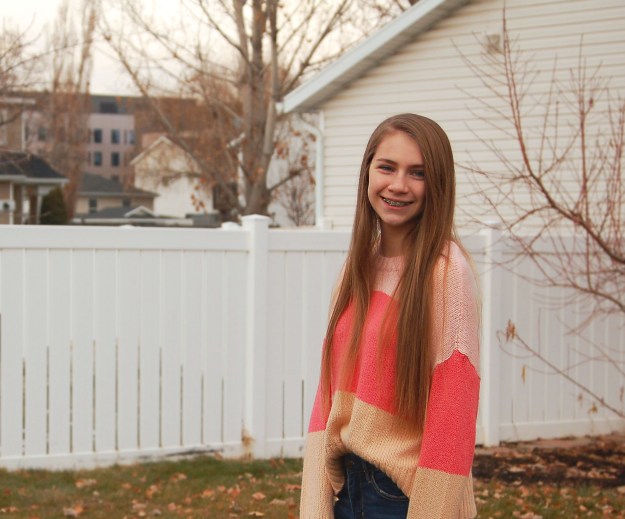
Female posing is the 123 pose. Hips+shoulders facing away from the camera, head facing away from camera in opposite direction, eyes toward the camera. Her head is tilted towards the feminine shoulder
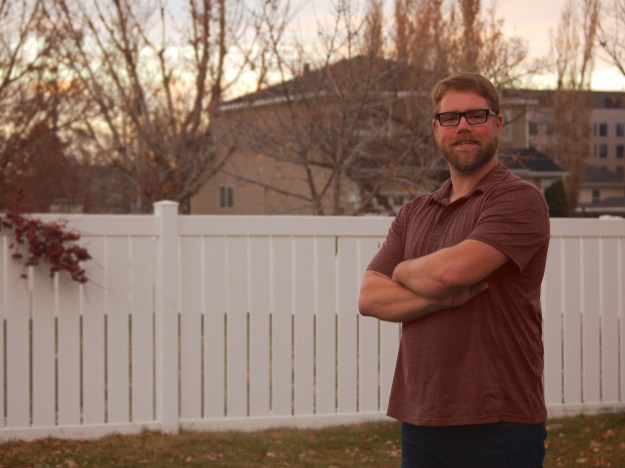
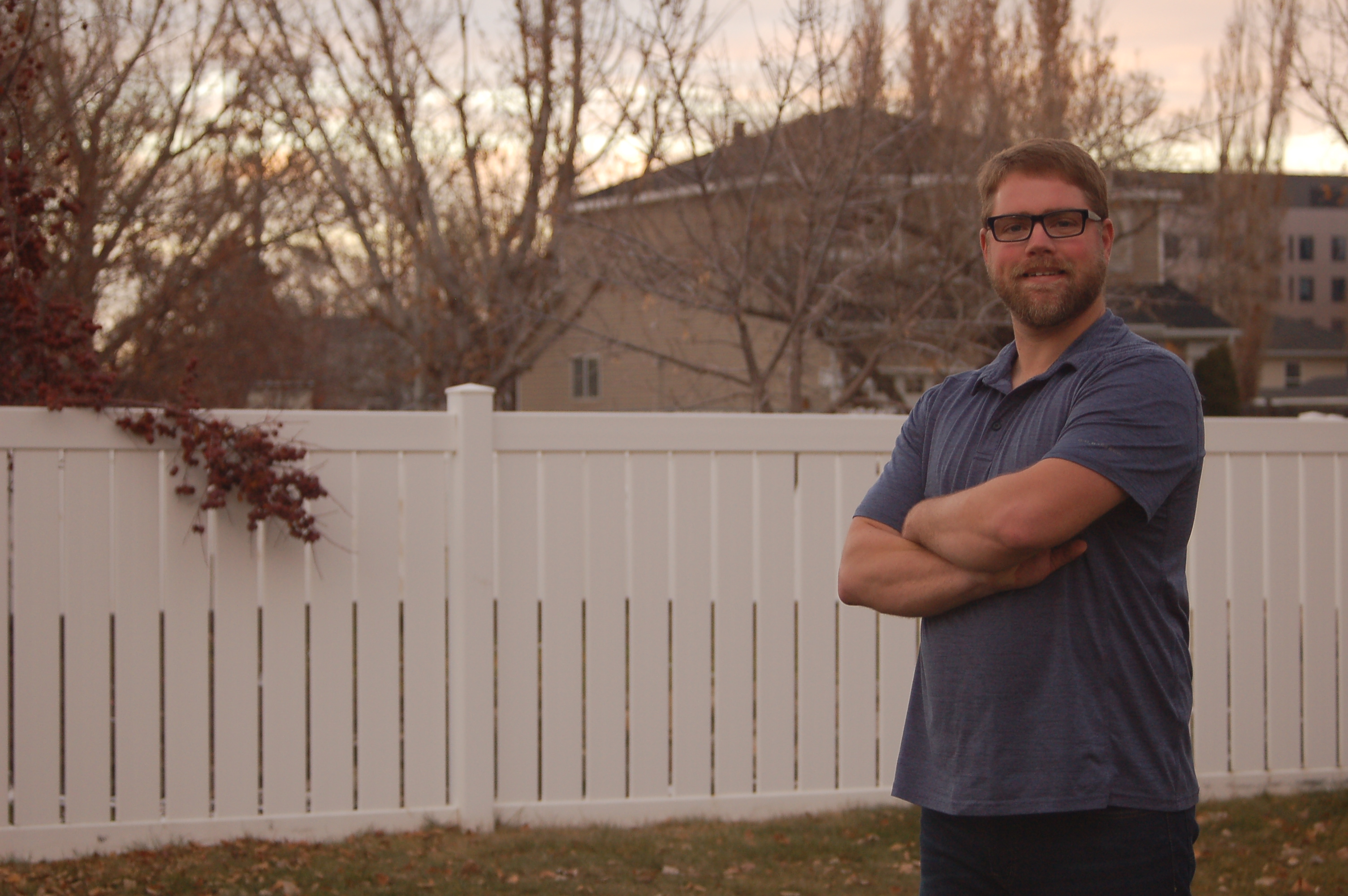
Photos with edits- blemish and eye bag removal on female, recolored shirt on male. Subject is using the male 122 pose. Hips and shoulders away from camera, face and eyes on camera. His head is tilted towards masculine shoulder.
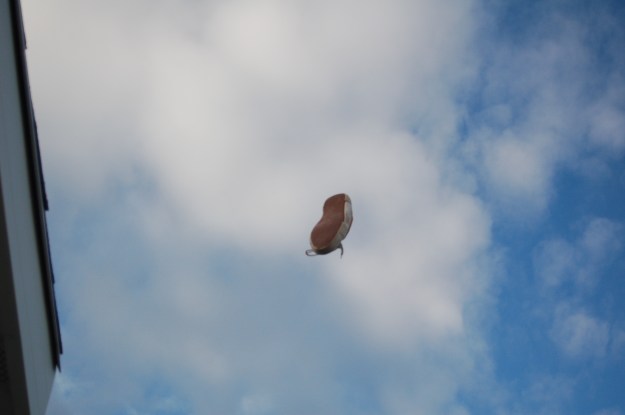
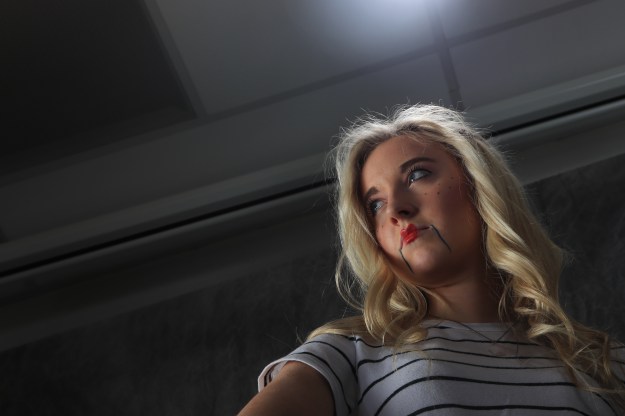
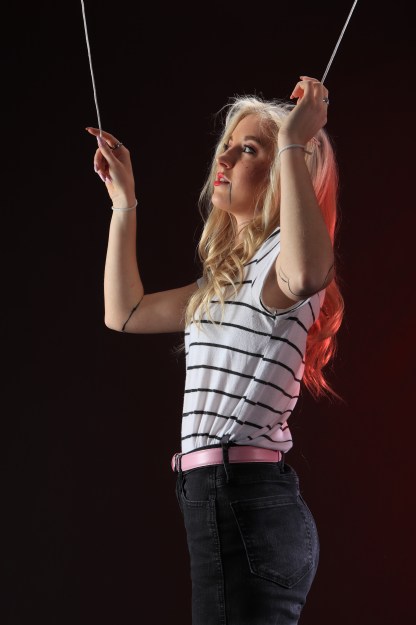
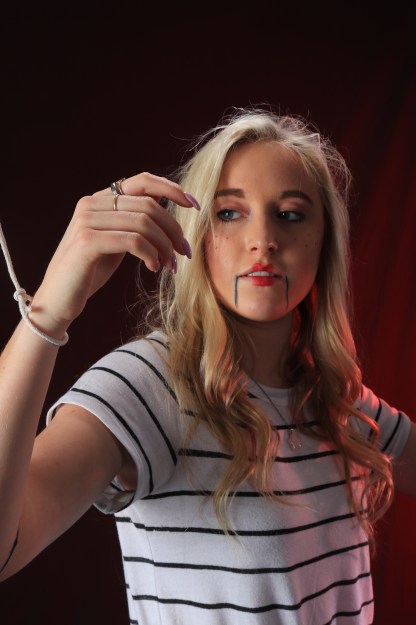
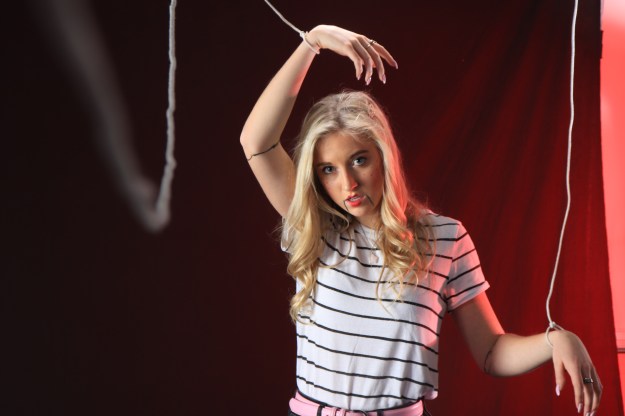
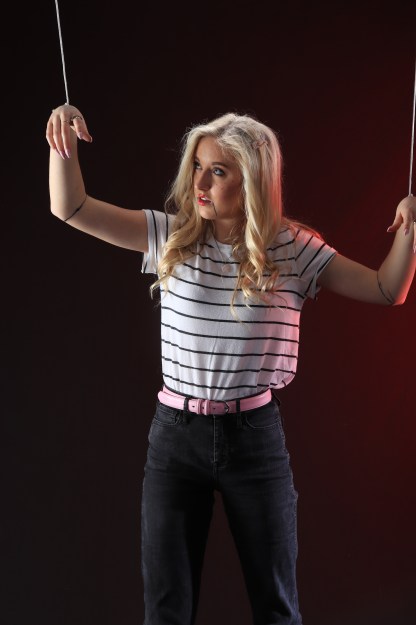
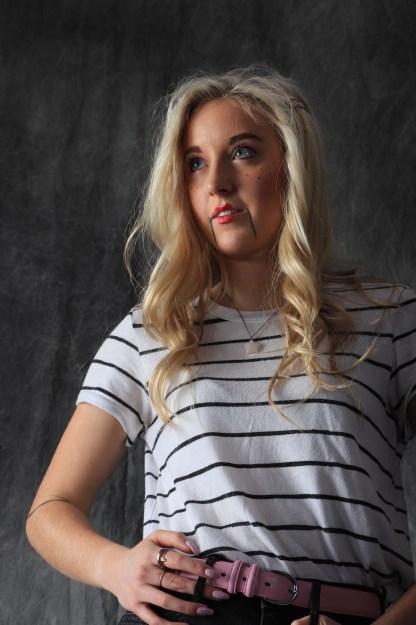
A conceptual image is an image or more images used to create a surreal image of something you wouldn’t normally see on a day to day basis. its designed to tell a story, or bring a topic or point to light.
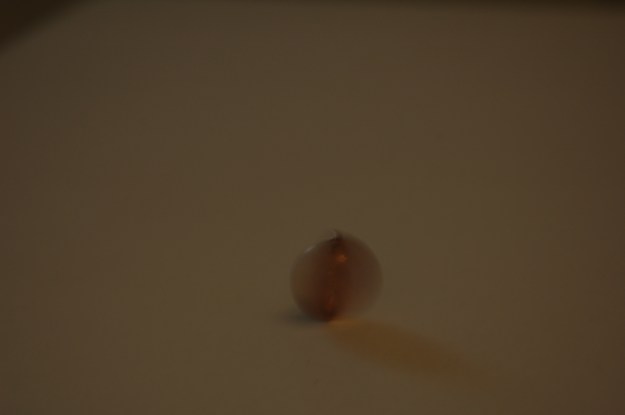
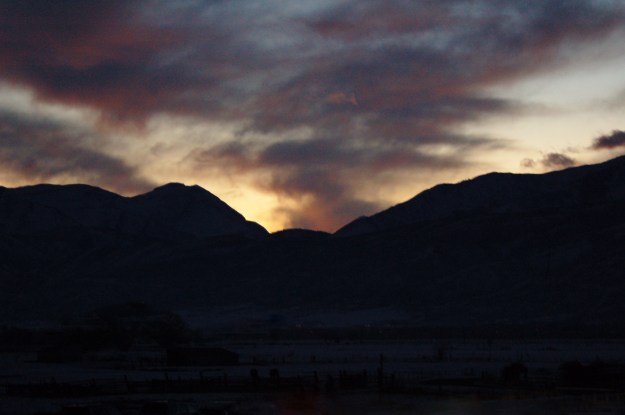
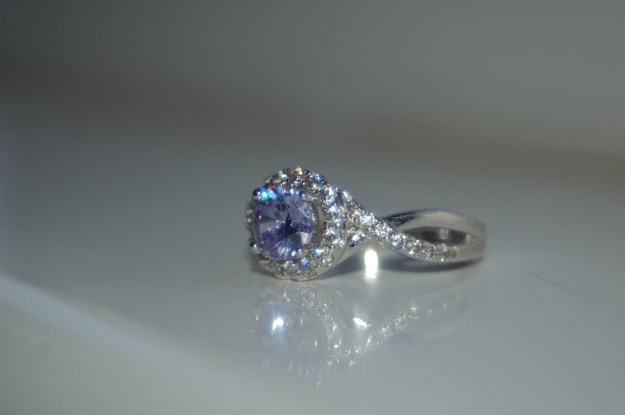
HDR photos are actually very common. Almost every phone in modern times has one. HDR enhances color, shading, and highlight in a photo. Most photos you will see today of landscapes are HDR. with a DSLR camera, you have to make an HDR if you want one. First you take 3 photos of the same thing (use a tripod so all the pictures are the same). One regular photo (photo 1 blelow), one photo underexposed by 2 stops (photo 2 below) and one photo overexposed by 2 stops (photo 3 below). Use photoshop to hide the parts of each photo you dont want in. That means the final product has the best parts of each image.


 Eazy Briezy Photography