Light Patterns
The type of lighting in a studio can change the shape or mood of a face. There is Rembrandt, split, loop, and butterfly lighting. I like to remember them as Triangle, half, nose ring, and butterfly lighing.
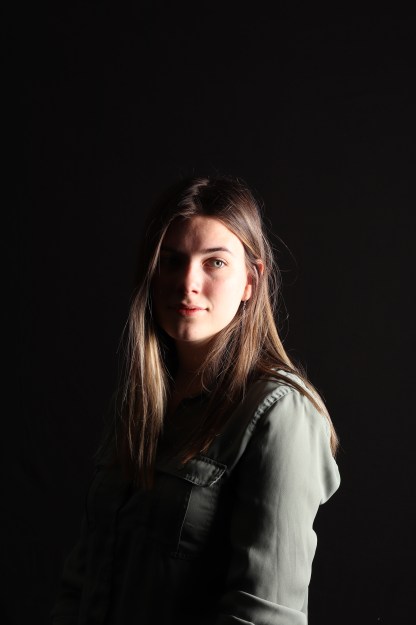
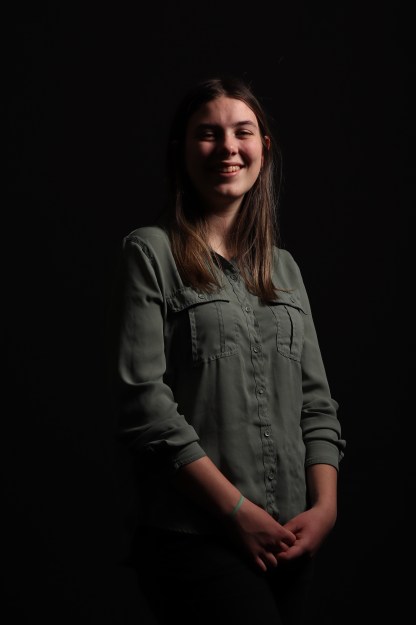
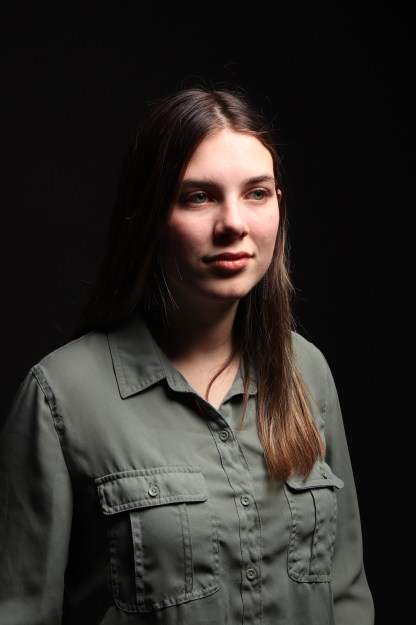
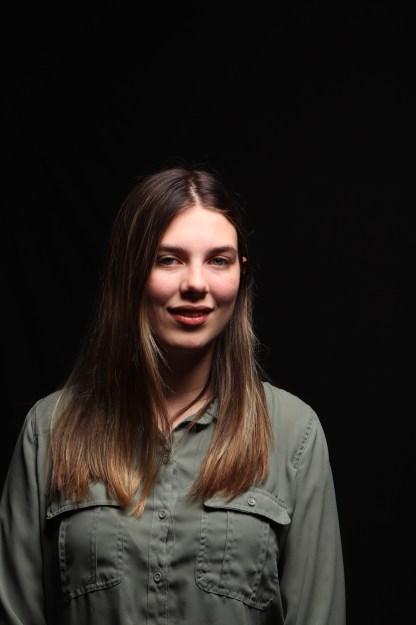
The type of lighting in a studio can change the shape or mood of a face. There is Rembrandt, split, loop, and butterfly lighting. I like to remember them as Triangle, half, nose ring, and butterfly lighing.
Throughout my time learning about photography, I think I have shown an immense amount of improvement in my skills. I have gained a better understanding of my preferences, strengths, and weaknesses in the subject. I am so grateful that I have had the opportunity to expand my horizons and discover more about myself and my passion.
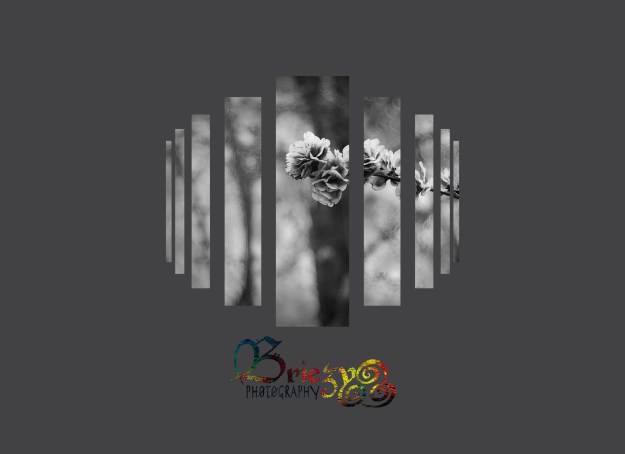
See my full photobook here.
These are my five favorite images I have taken this year. I feel like I’ve greatly improved as a photographer and have found the styles I enjoy or dislike. Growing my understanding of photography has helped me develop an understanding of myself, and I am grateful to have the opportunity to continue to do what I love.
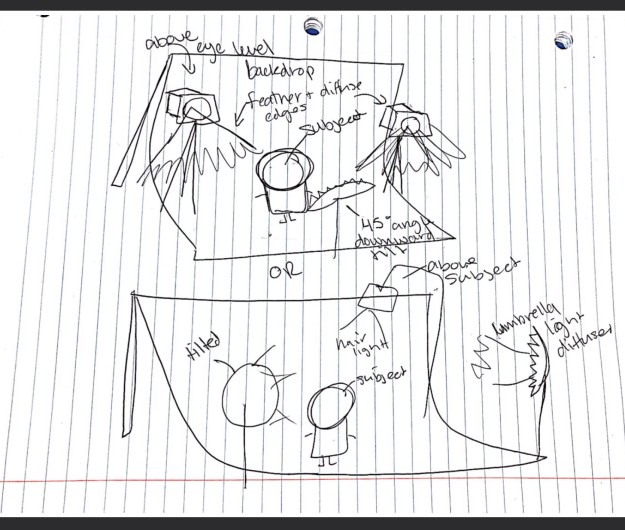
3 point lighting is the standard form of studio lighting used in photography. You place 3 light sources on your subject, either two behind and one in front, one above and two in front, or other forms, so long as you are forming a triangle with the light on the subject. changing up the angle, distance, size, or intensity of the lights can create as many different combinations as you need it to in order to create a mood or theme in your photos.
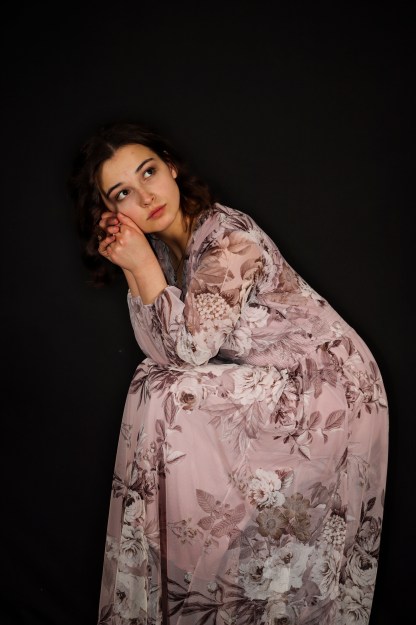
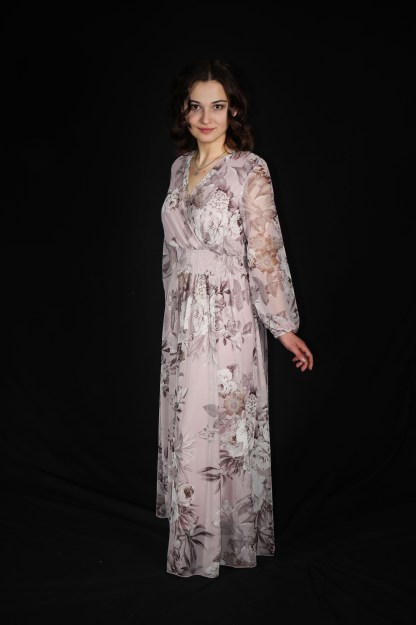
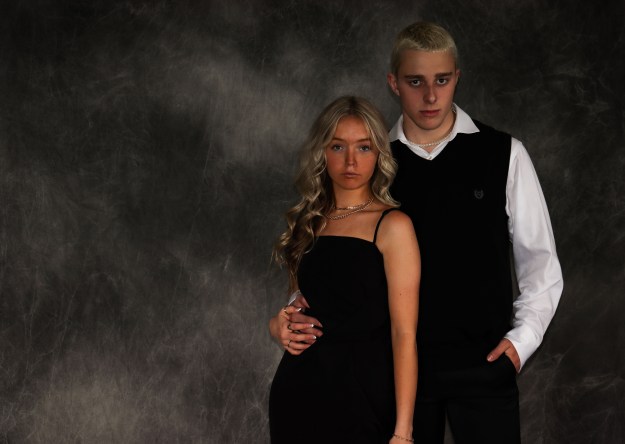
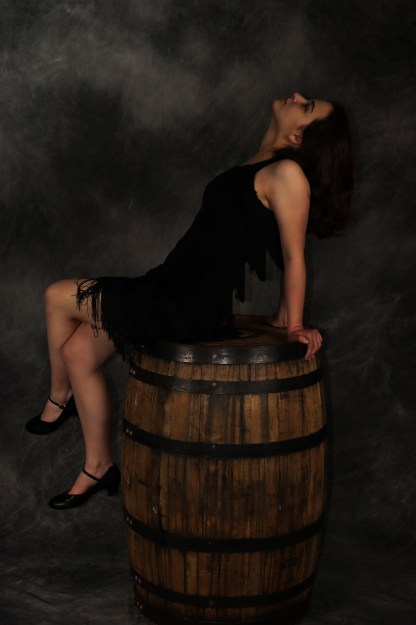
Formal photoshoots were a blast! They are the same as any costume or studio shoot, though you typically want to keep the theme as elegant as possible. Typically props are not involved in these kinds of shoots but if you wanted to incorporate something that fits, that’s fine. A good example would be if the model were holding her shoes, or if she had some kind of wallet or item she brought with her as part of the look.
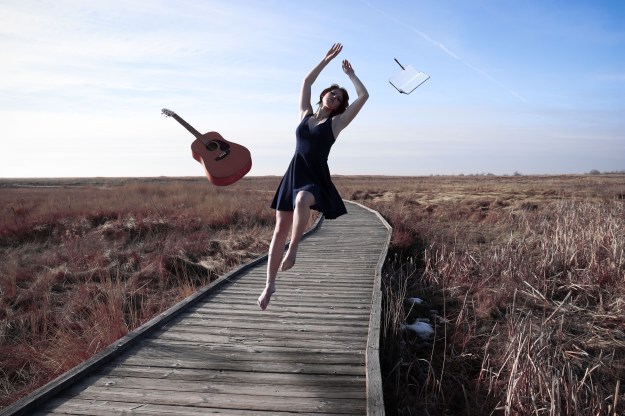
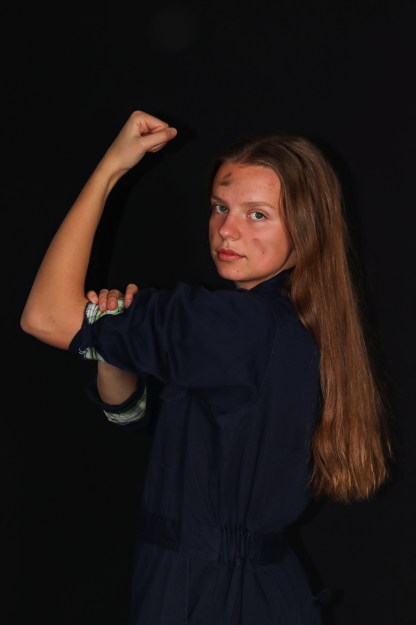
Costume photography is a fun way to create themed or artistic portraits. It follows the same concept as studio photoshoots: follow the theme, position the model properly, maintain good lighting, etc. You can incorporate props or fun backdrops into the portraits as well, as long as you try and follow the theme of the costume and color composition.
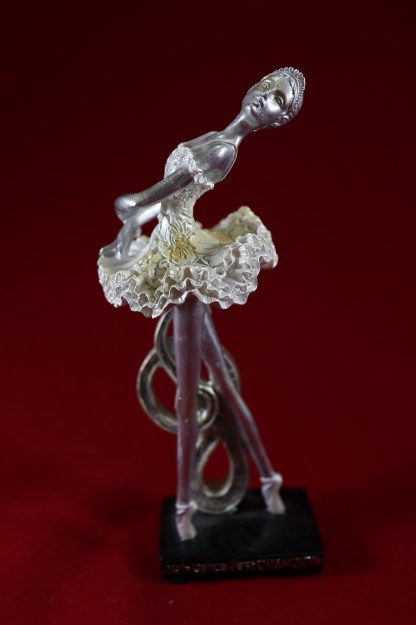
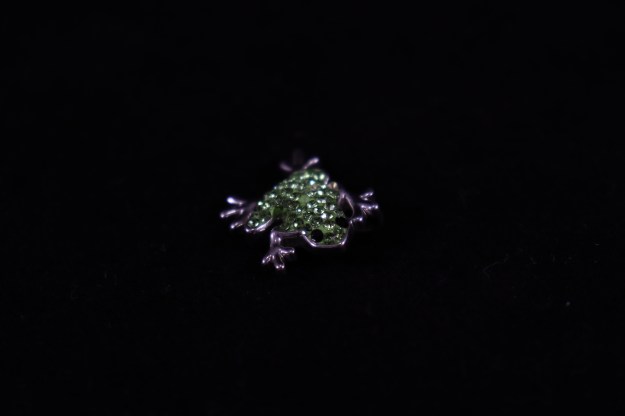
When it comes to product photography, you want all angles of light on the object to show off the whole item. For this, we had diffuser boxes with plain backgrounds. We placed light on all sides of the box, angled toward the object. It is essentially a photoshoot for smaller items.
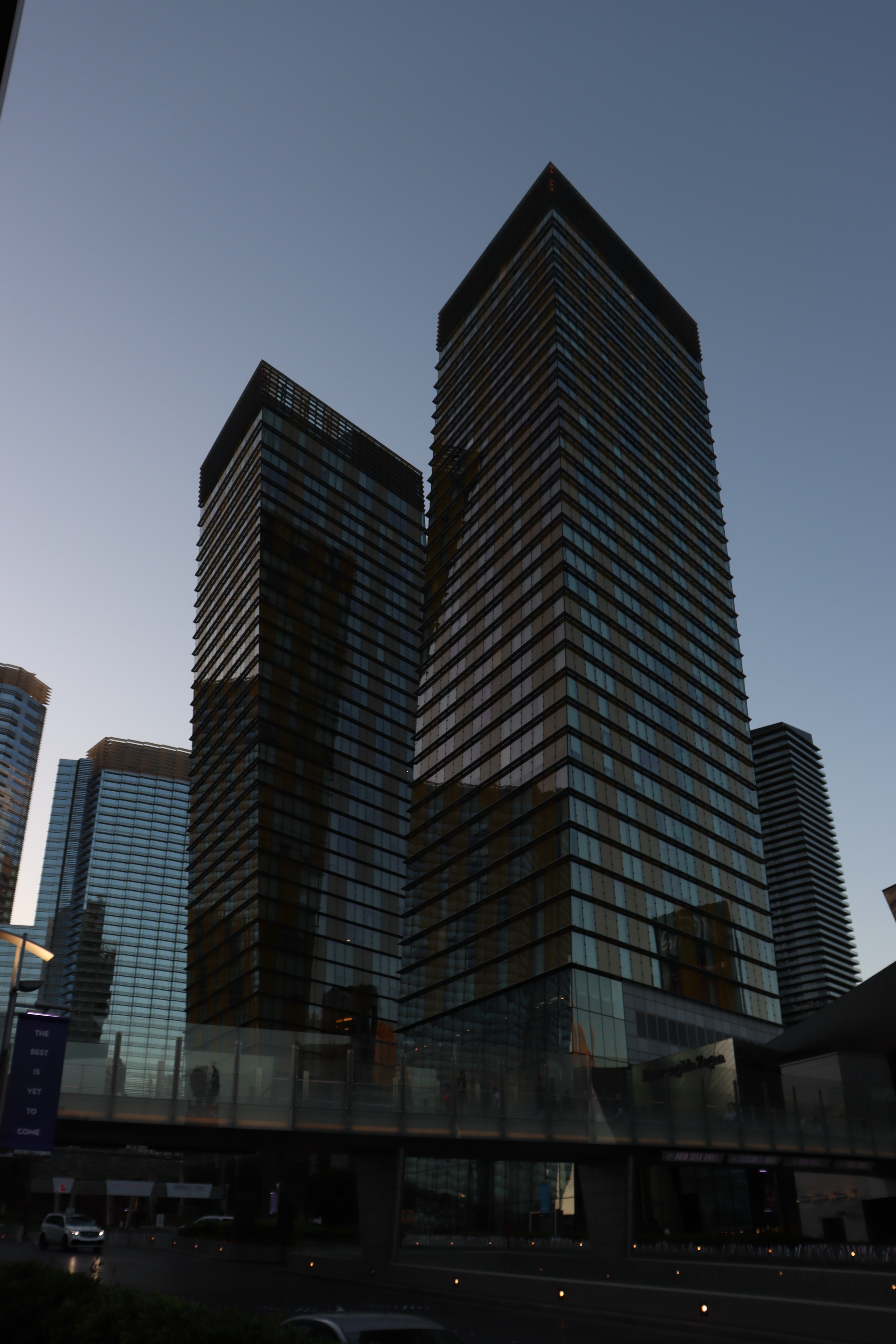
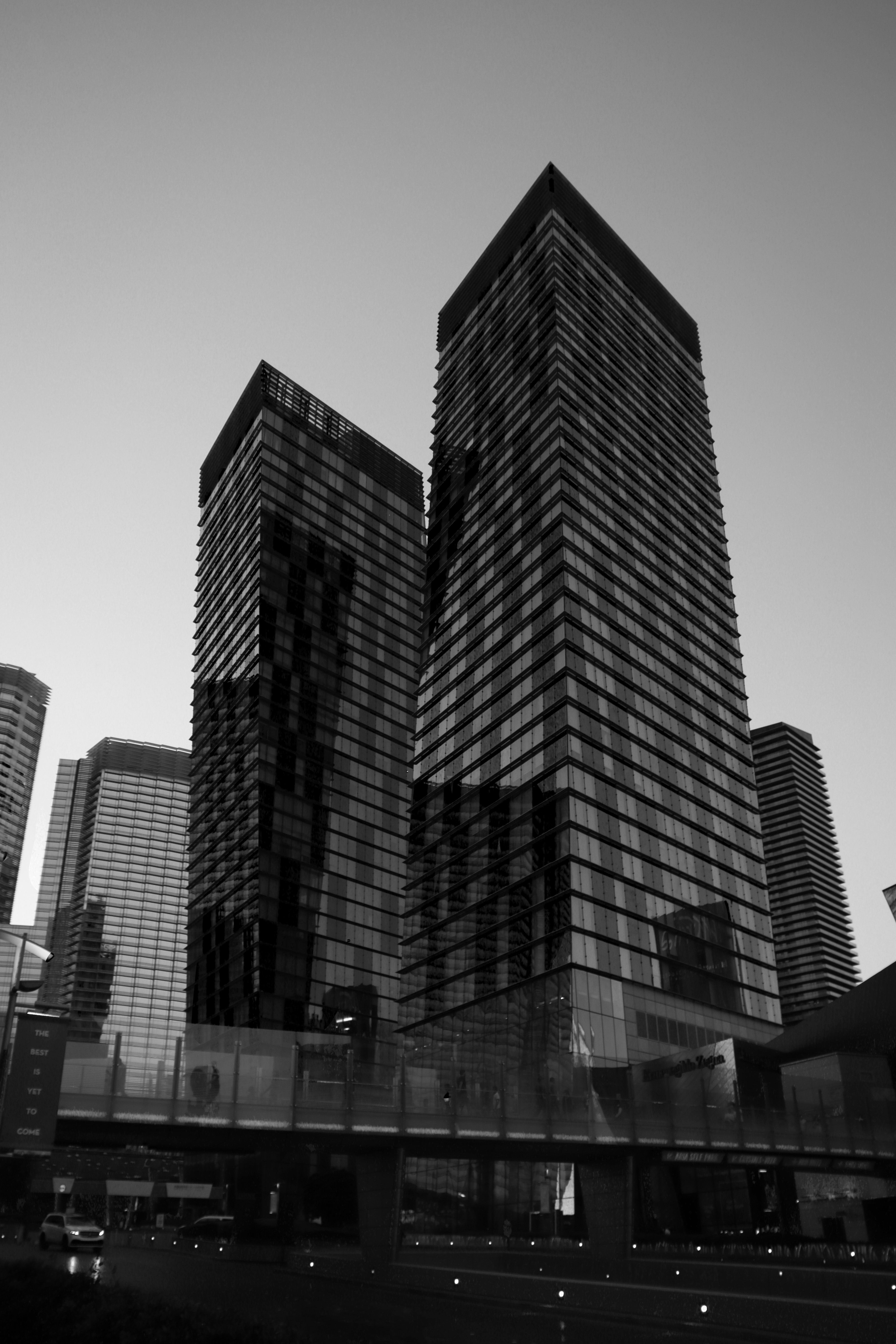
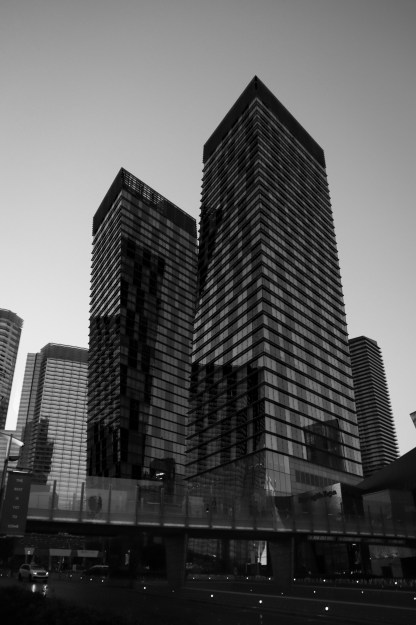
Black and white photos typically need to be simple and contrasting. Don’t leave too much going on in the photo, and Make sure the contrast is clear enough that you can clearly see the objects in the photos. It also helps to have leading lines in a diagonal direction throughout the photo. When creating any black and white photos, you can either change the settings in your camera or edit them in Photoshop. I prefer the latter, as you have more control over the contrast and the look of the photo itself.
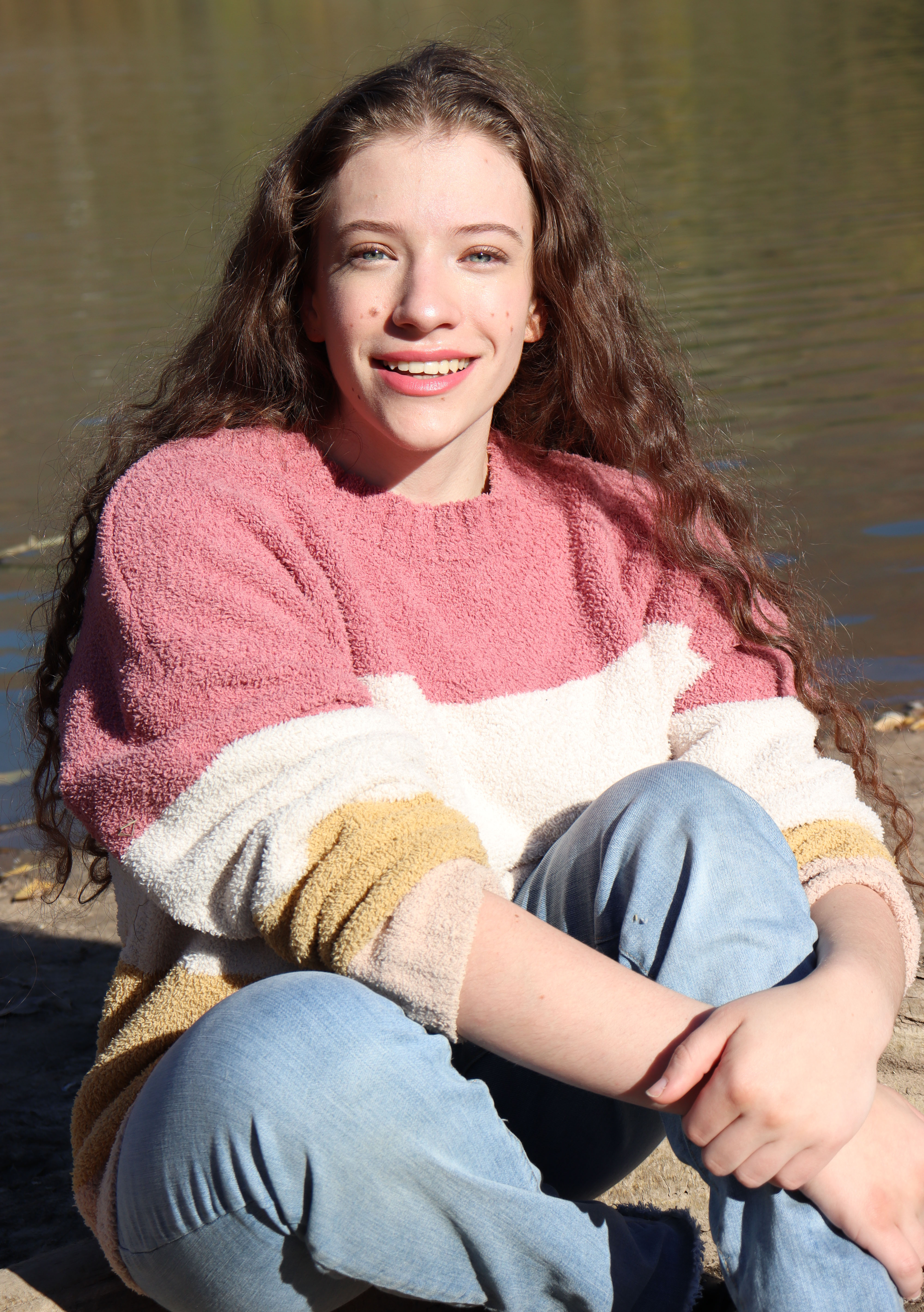
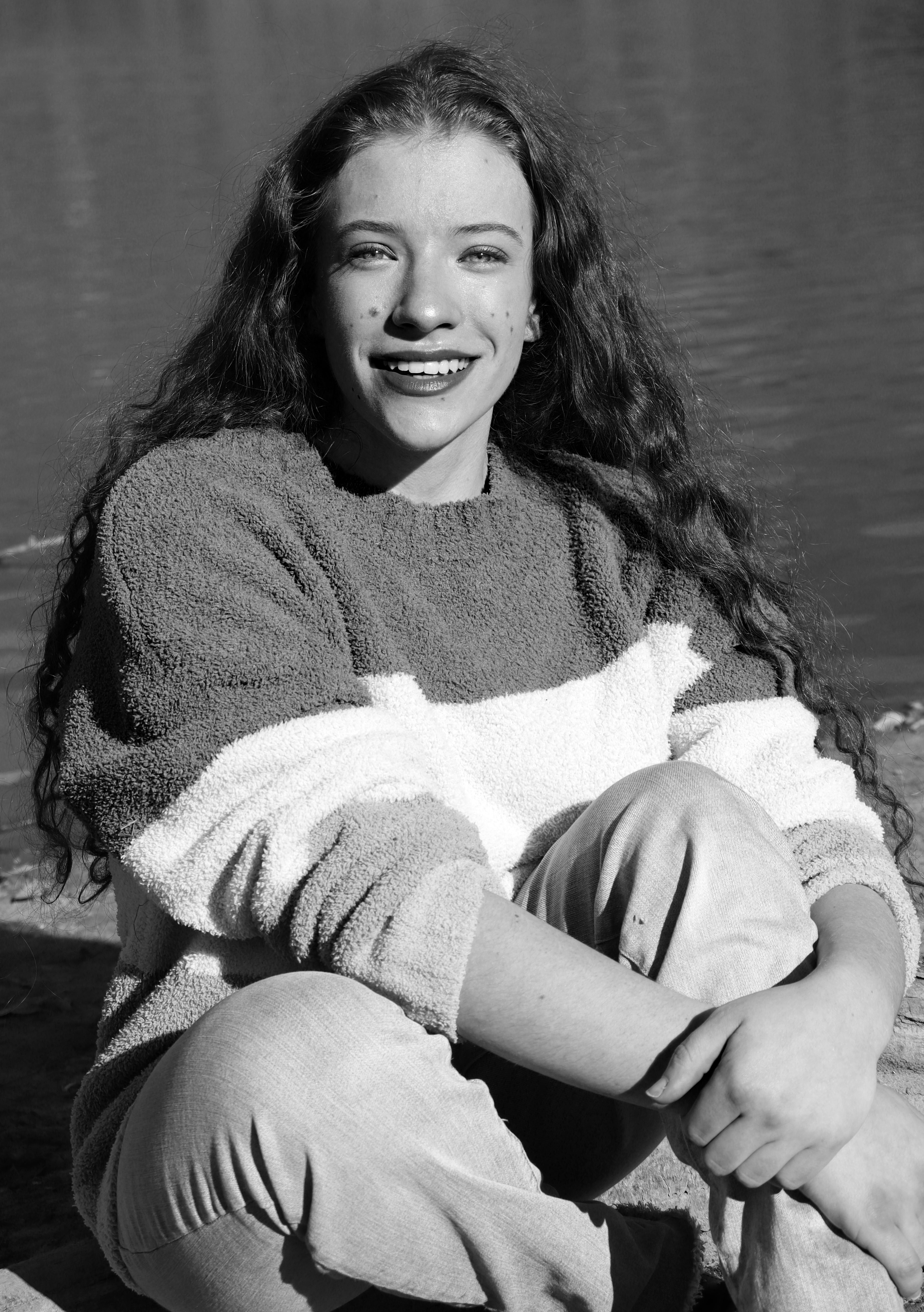
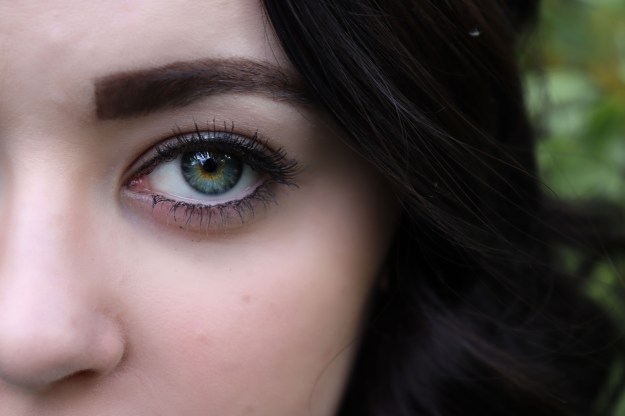
With portraits, you typically want to keep the photo simple, with blurred backgrounds and calculated framing to place emphasis on the person. Black and white is an especially good style for portraits, as it gives the shape of their face and body more definition and character. Once again, you can use both your camera and Photoshop to edit these. It would also be preferable to set your camera to RAW shooting so you can edit the photos better both in color and monochrome styles.
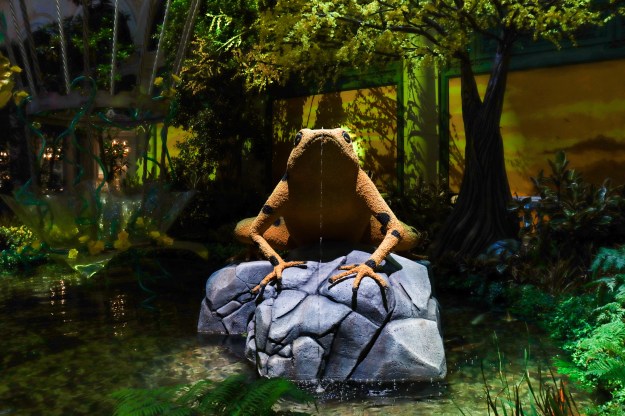
Contrasting Colors (Limited)
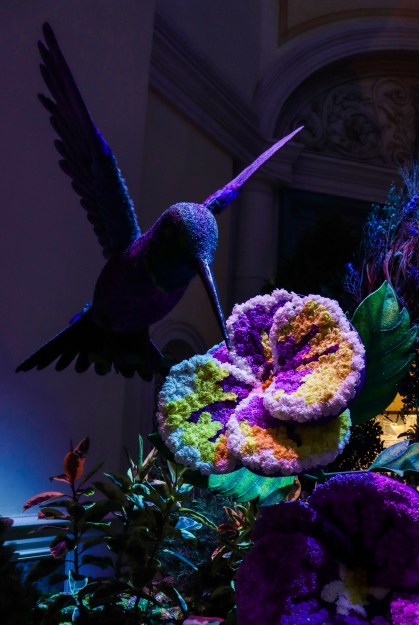
More Contrasting Colors (Vibrant)
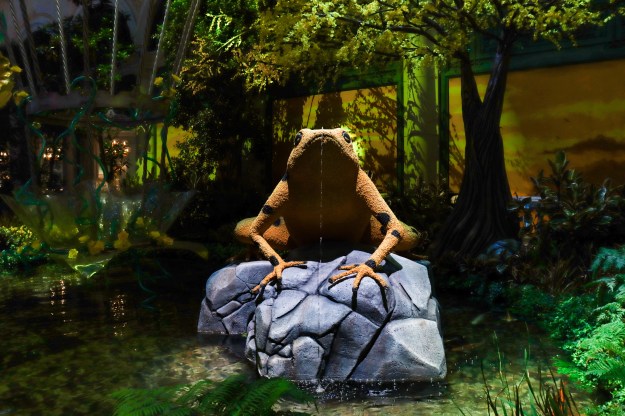
With most colorful photos it’s nice to have a theme, but having contrasting color pieces really makes a photo pop. For the first photo, I had a theme with yellows and greens, but the contrasting piece is a frog sitting on a rock that is almost a pastel greyish-blue. The second one had a range of contrasting colors, with the flower being the most contrasting piece to the blue and purple scheme.
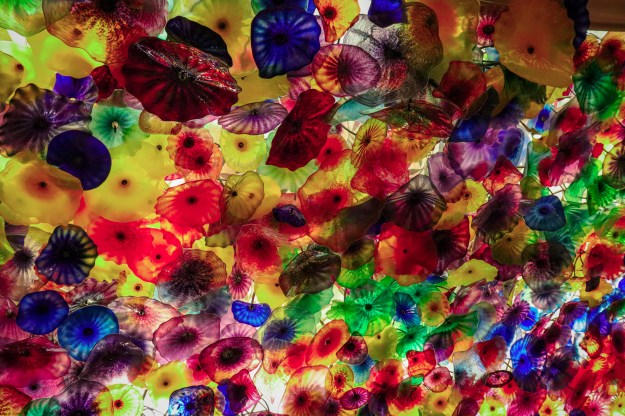
Vibrant And Colorful
Sometimes it’s good to have a scheme, but sometimes it’s more fun to just fill a photo with as much color as possible. A lot of HDR photos do this. But try to make sure there isn’t too much going on- we want to grab the attention of the viewer with an explosion of color, but we don’t want to give them a headache.
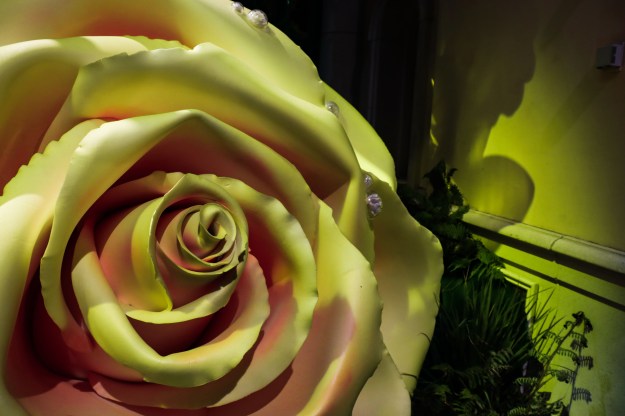
Limited Color Pallette
Limited Color Pallettes in photos can be a bit difficult. You have to make sure colors are not too heavily weighted on one side or another, and that the colors themselves contrast well. Shades of the same color fall into the same category. In this photo, my main colors are yellow, red, and a touch of green.
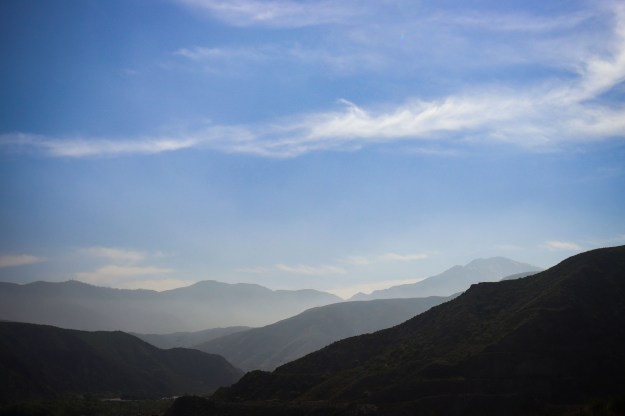
Landscape photos are a very simple yet beautiful type of photo. To get a decent landscape photo, you need to pay attention to leading lines and horizons. It helps to take a photo with a person or object to provide a scale. Most landscape photos are taken with a wide-angle or lens, which also serves to emphasize the size of the landscape.
 Eazy Briezy Photography