Camera Modes

Aperture Priority
Shutter Priority
Manual Mode

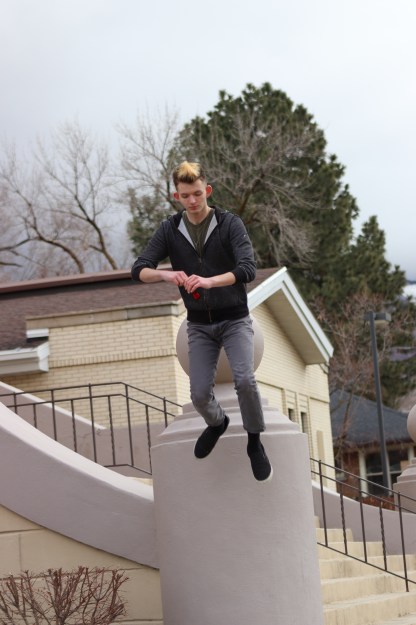
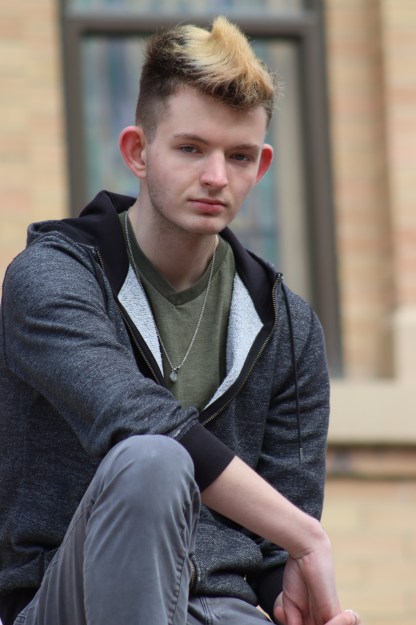
Camera modes are settings in your camera that prioritize either your Aperture, or Shutter speed, adjusting any other settings automatically to make sure you maintain the setting prioritized. Manual mode allows free reign over the settings. Usually Manual is the best way to go, but if you are at a sports event, or taking photos of animals, or if the lighting in your area is not constant, it is useful to have them.
The Exposure Triangle

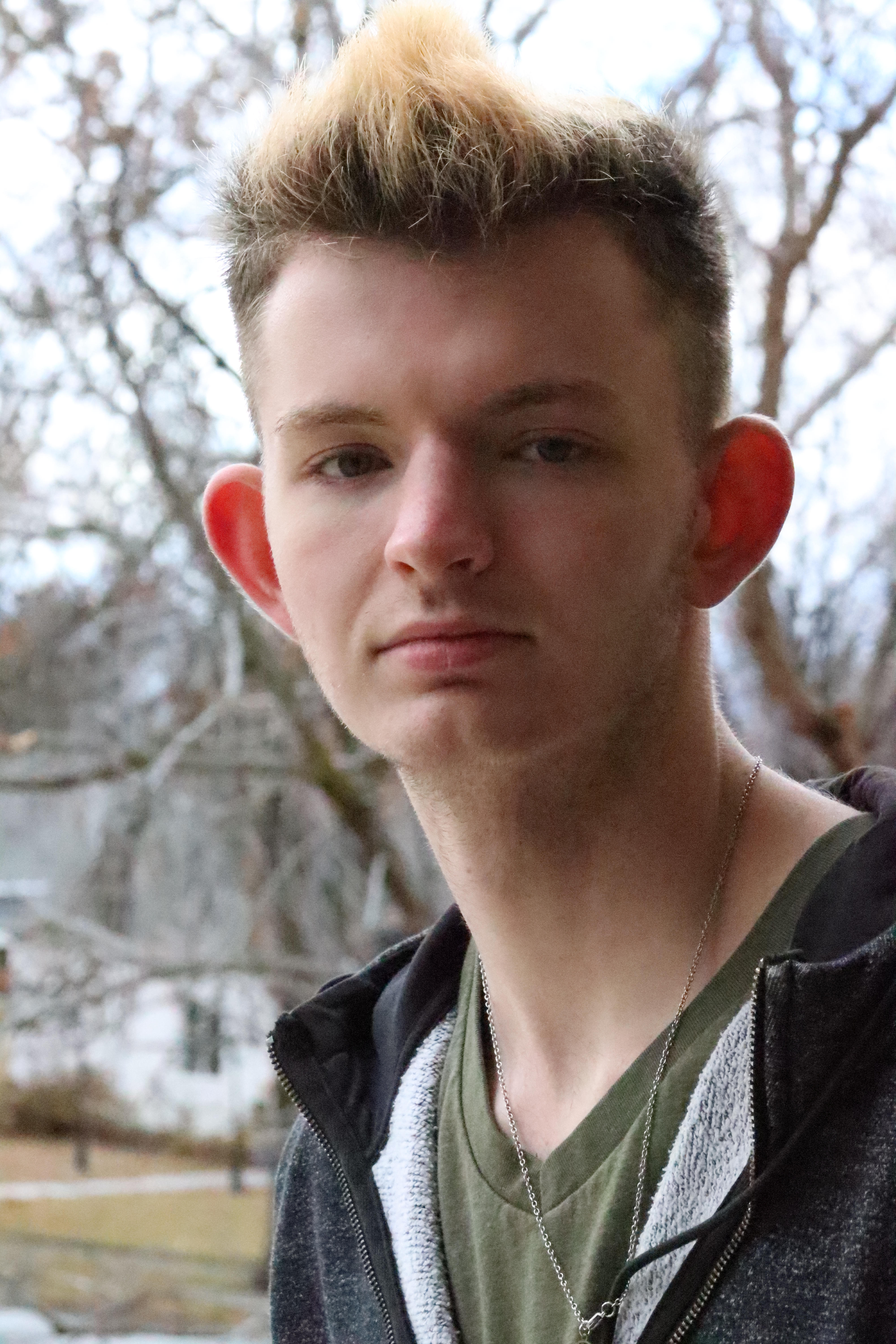
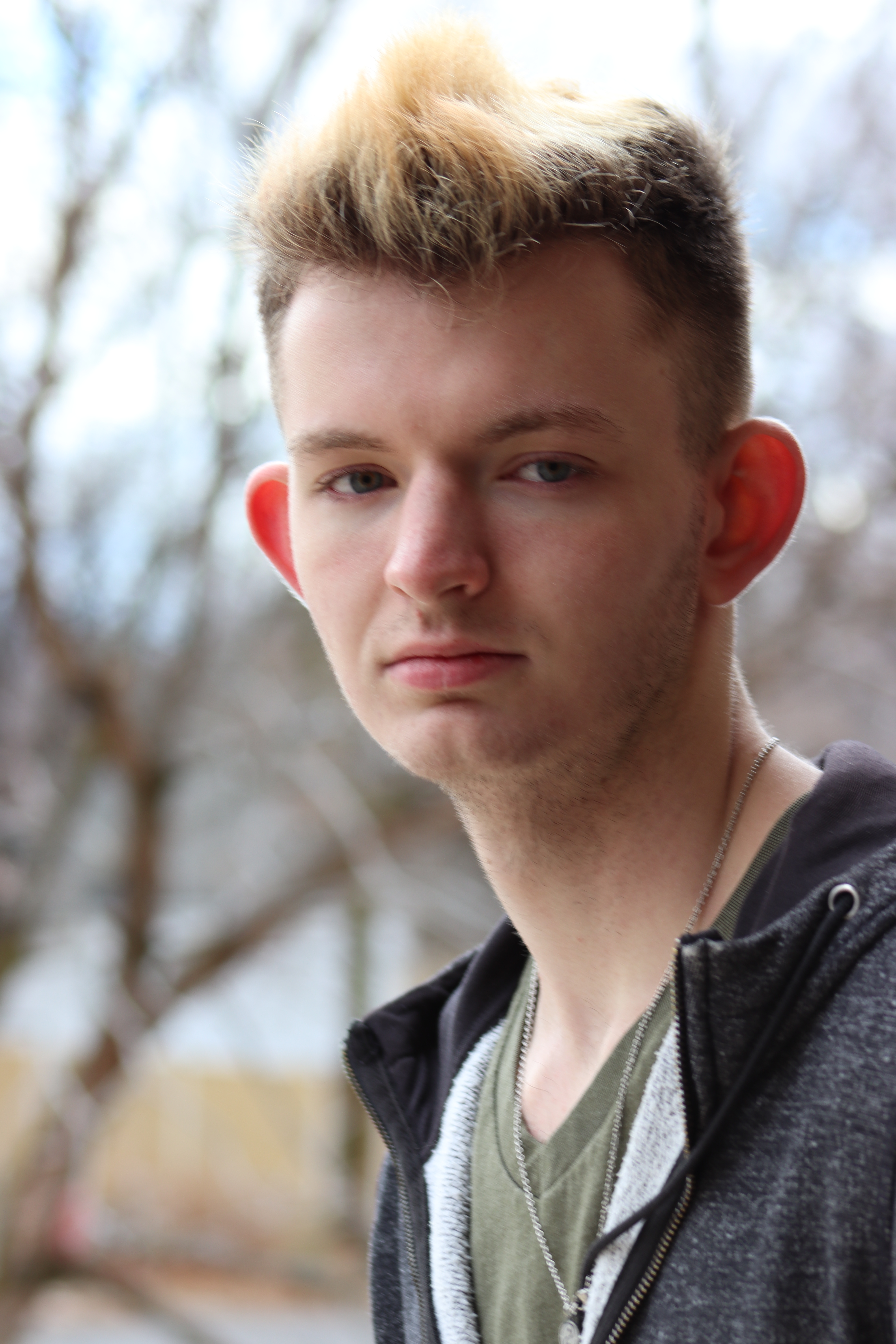
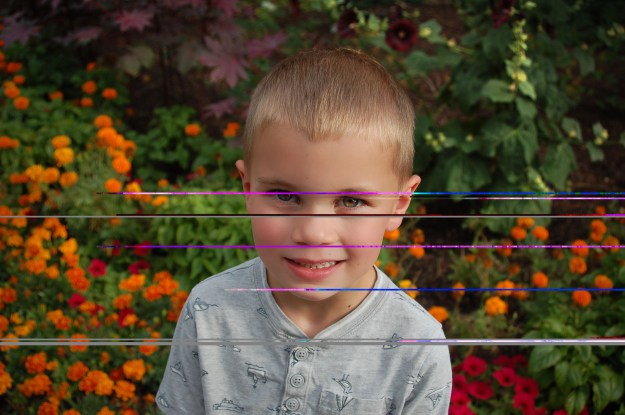
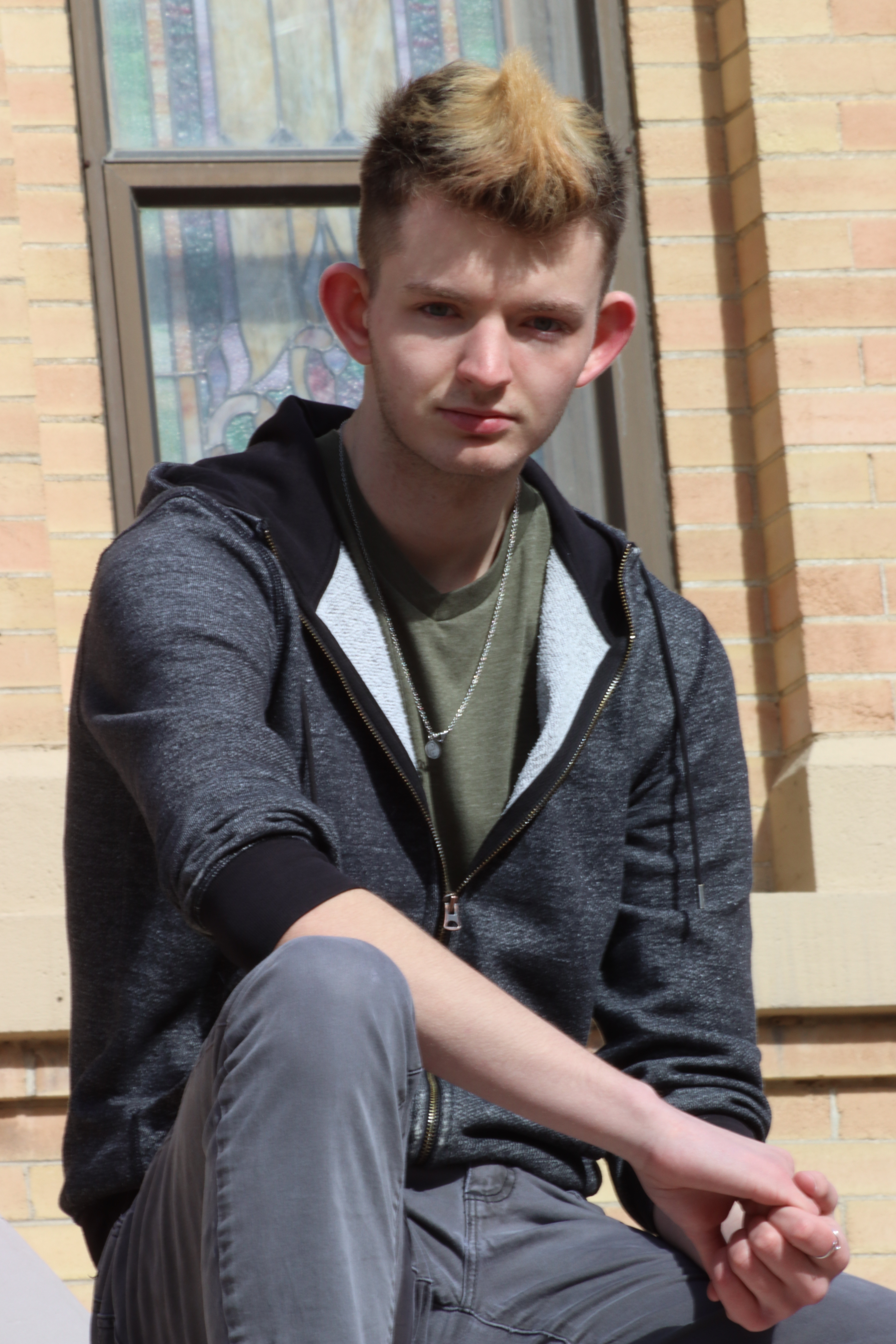
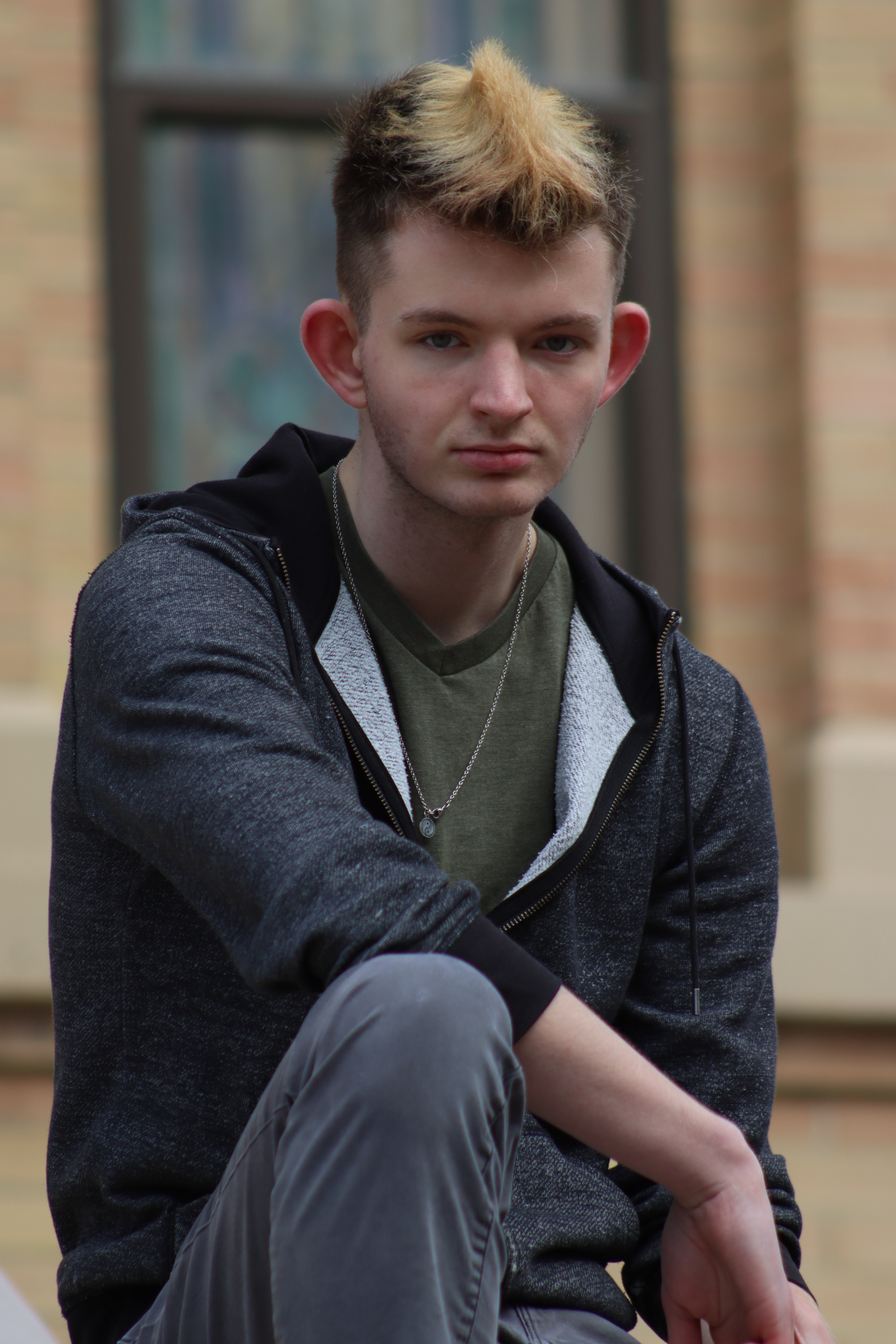
With aperture, the lower the aperture the shorter your focal distance is. The first photo is an aperture of f/22, and the second is an aperture of f/5.6. As you can see, the larger aperture has more of the background in focus. Typically for portraits you want a smaller aperture, and a larger aperture for landscapes.

Raising your ISO will brighten your image, at the cost of image quality. The first photo is an ISO of 26000, and the second is an ISO of 100. Raising your ISO should be a last effort.

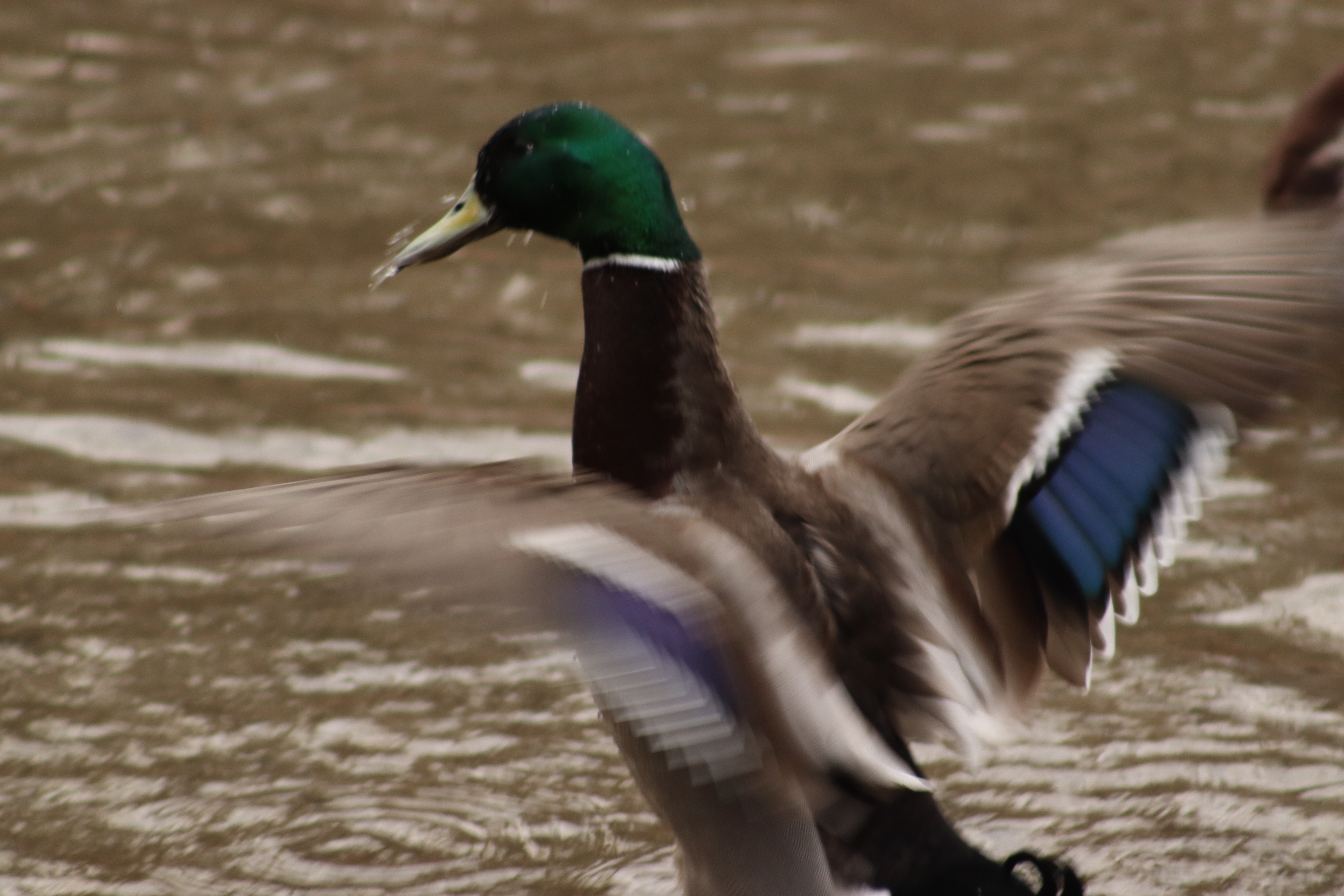
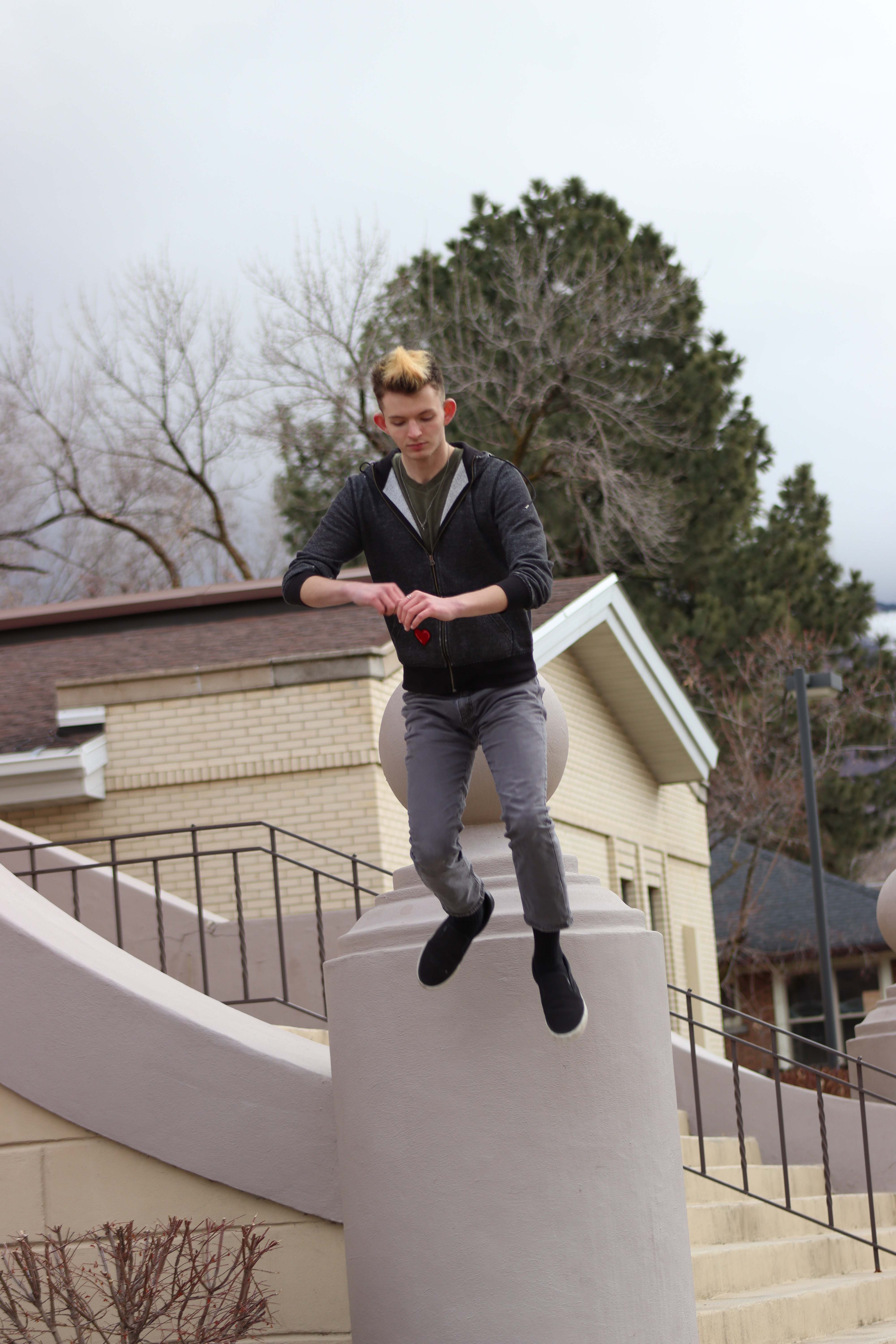
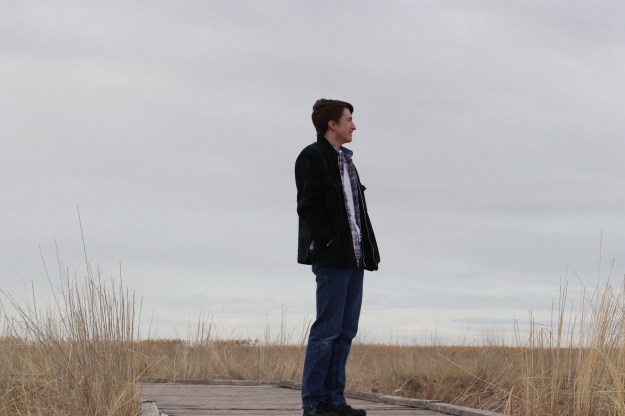
Typically, in order to get a blur motion photo, you would need a shutter speed of 1/250 sec. In order to get freeze motion, you would need a shutter speed of 1/500 sec.

Autofocus Points

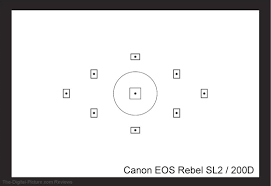
The autofocus points in a camera can be really useful and important when needed. My camera, the Canon EOS Rebel SL3, has nine total autofocus points, all cross-focus. Some cameras will have vertical autofocus points, or horizontal autofocus points, as well as cross-focus, which goes both ways. Most cameras will have a combination of the two.

Focal Length

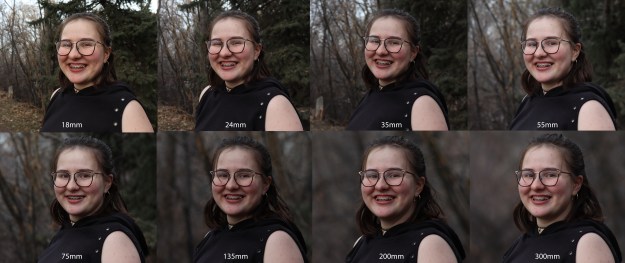
Focal length is basically how far you are from the subject and how close you are zoomed in. The focal length of a photo can change the shape and proportions of a subject, as well as the background. For people I prefer to use a focal length between 75mm and 135mm.