There are three parts to a decently exposed photo. There is Aperture, Shutter Speed, and ISO. Each part of the exposure triangle plays into each other and contributes to the composition and exposure of every photo.
Aperture
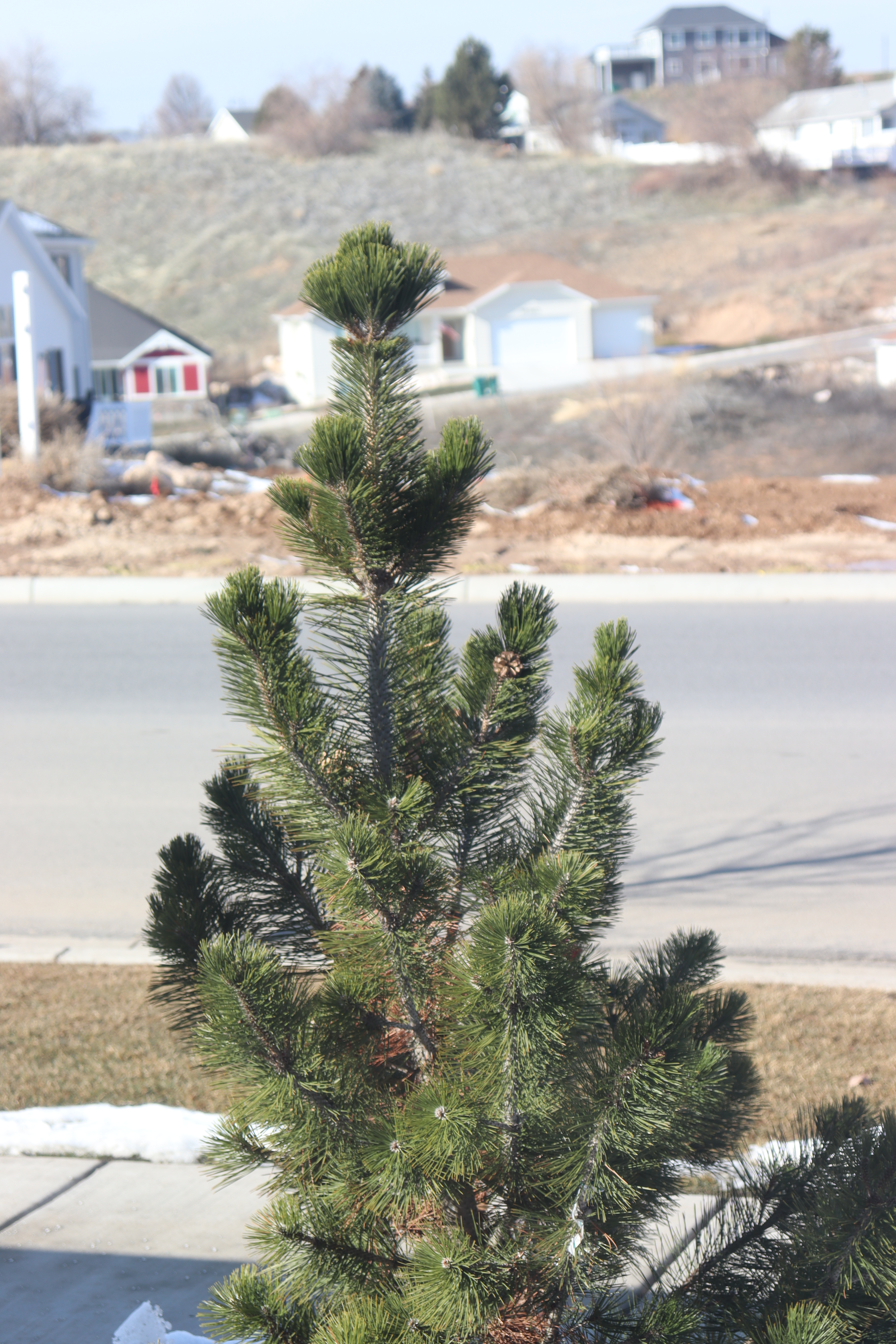
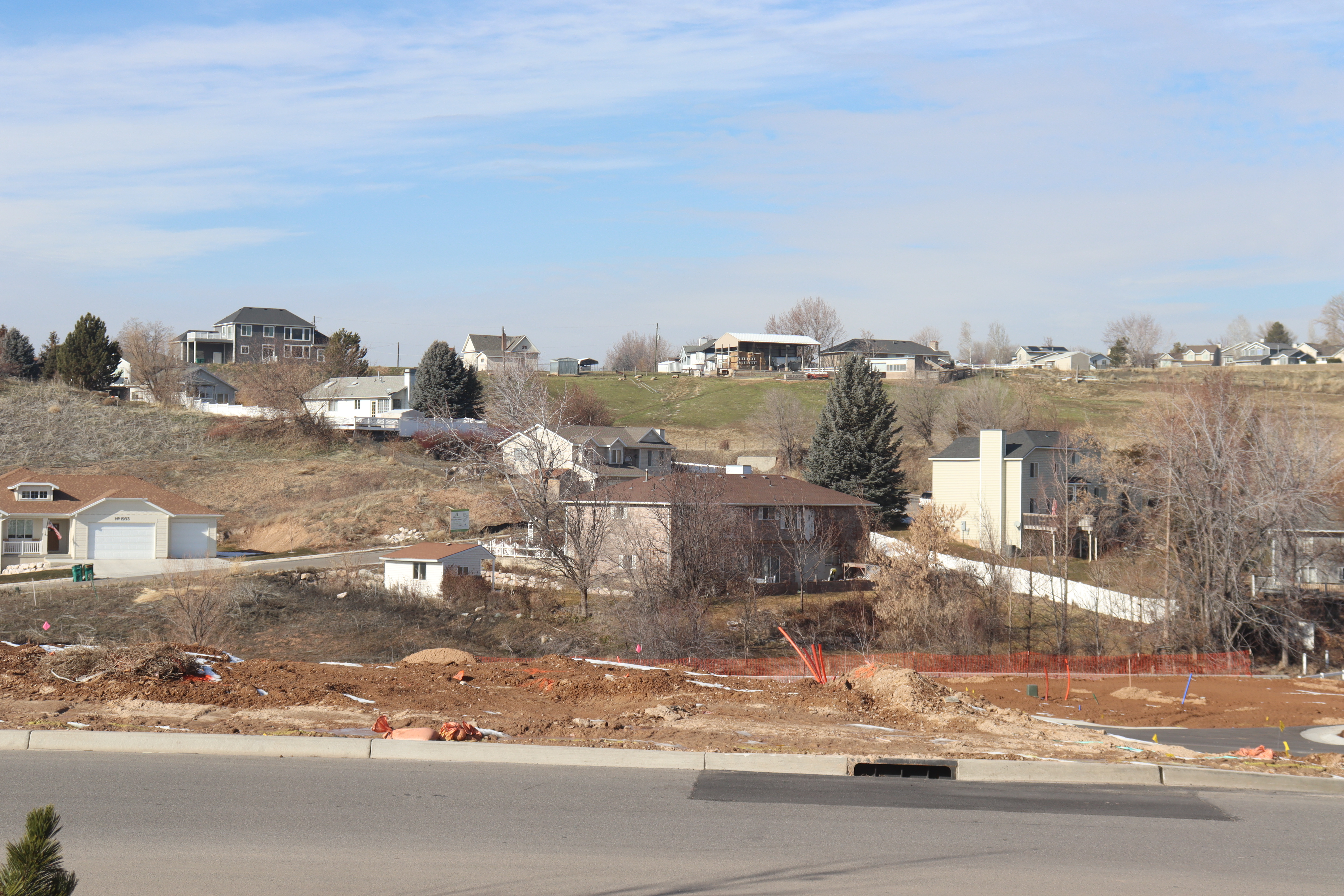
Aperture is how much light is being let into the camera via the lens. The wider the lens is open, the more light is let in. As well as that, the wider the lens is open, the less focused the background will be. In the first image, I had an aperture of 5.6, and in the second it was 22. Notice the difference? An aperture of 5.6 will blur your photo more than an aperture of 22. A wide aperture is typically best for photos where you want the focal object to be the only thing in focus, such as portraits. A narrow aperture is normally used when the entirety of the photo in the frame should be in focus, such as landscape photos.
Shutter Speed
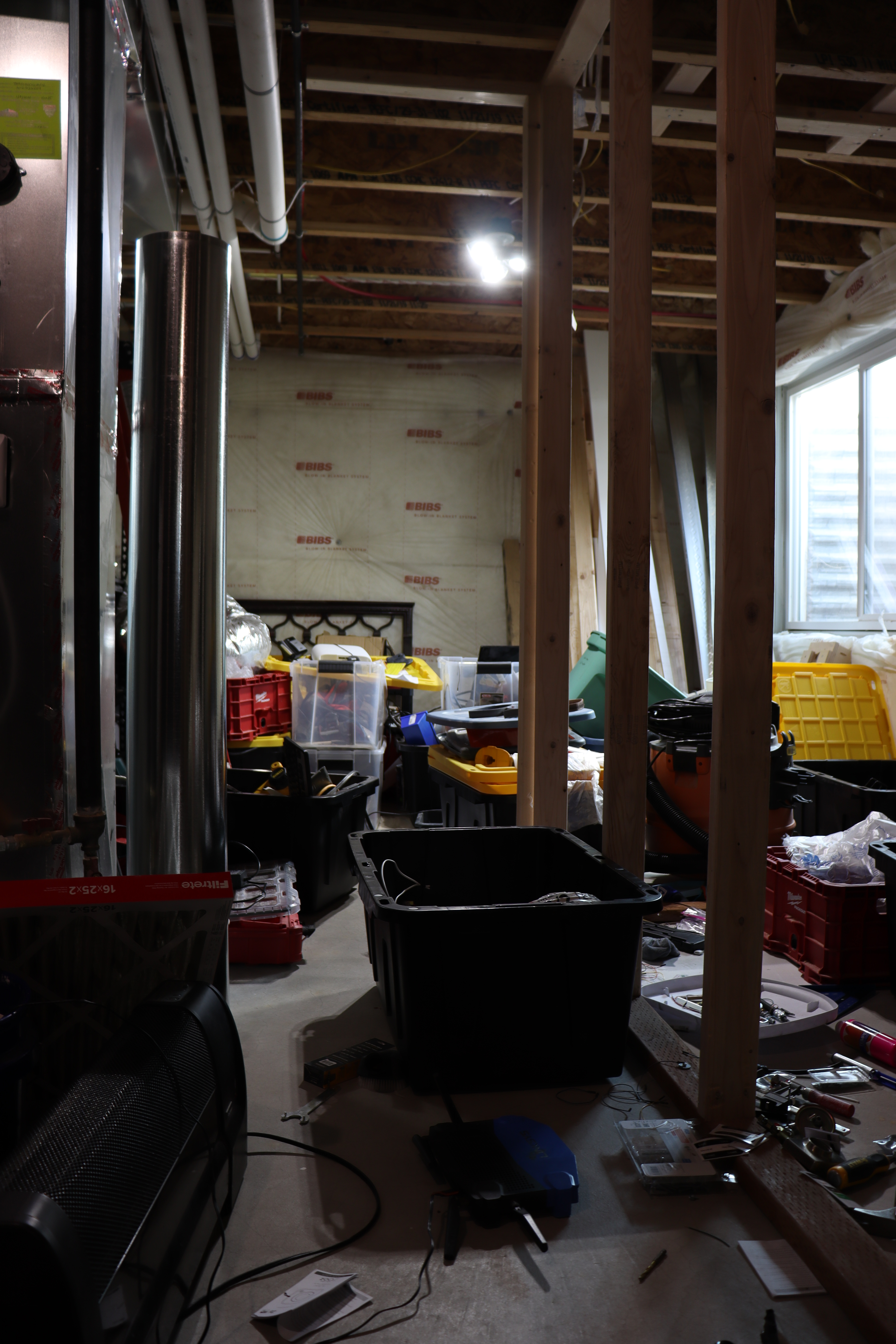
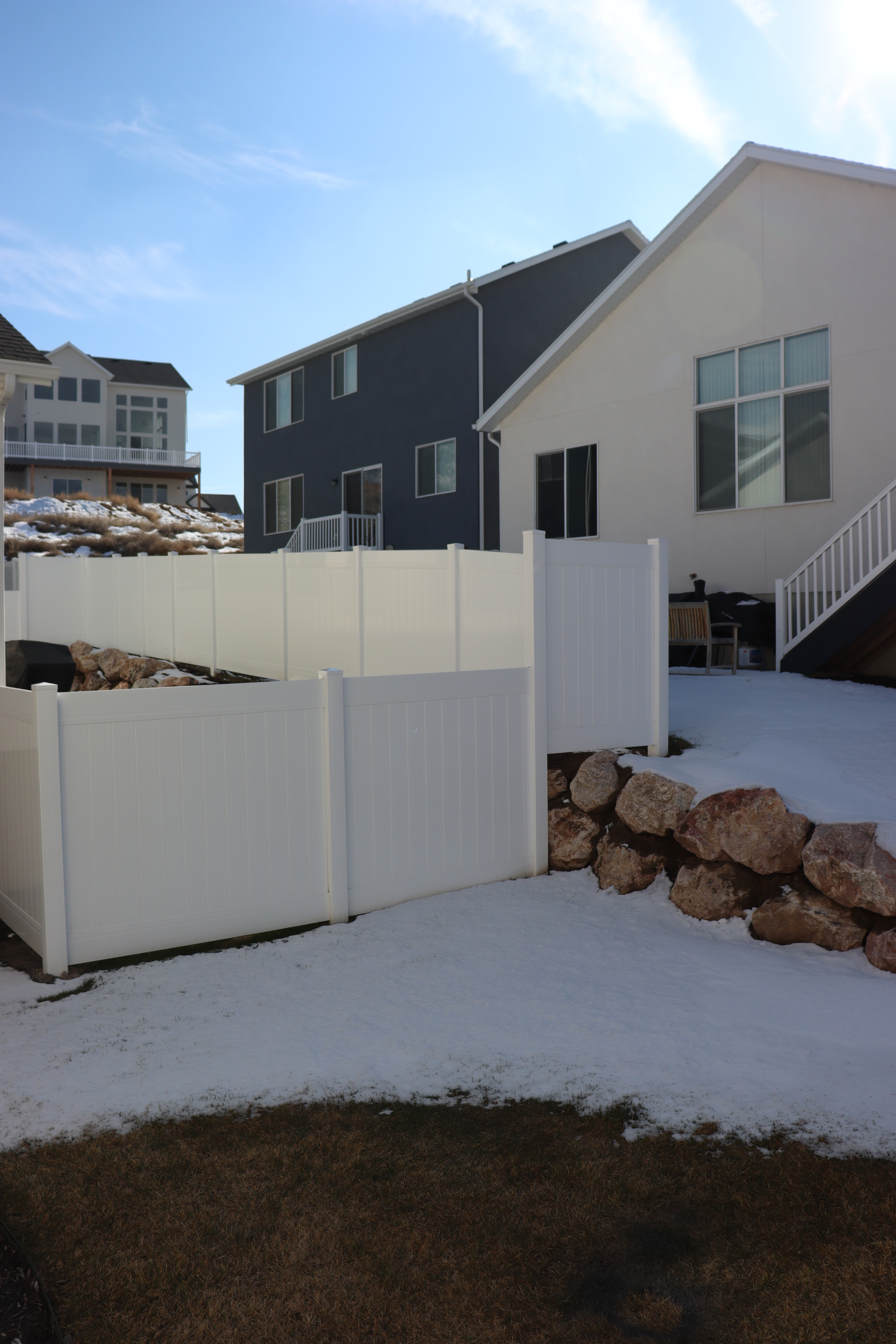
Shutter Speed is how fast the curtain in the lens closes, or basically how fast the image is taken. Typically the slower your shutter speed, the more movement will be caught in the form of a blur. You need a shutter speed of at least f/250 for a blur motion photo, and f/500 is typically best for freeze motion when you want a moving object to appear still. The photos I have do not show this, but with the difference in lighting, I adjusted the exposure only using shutter speed.
ISO
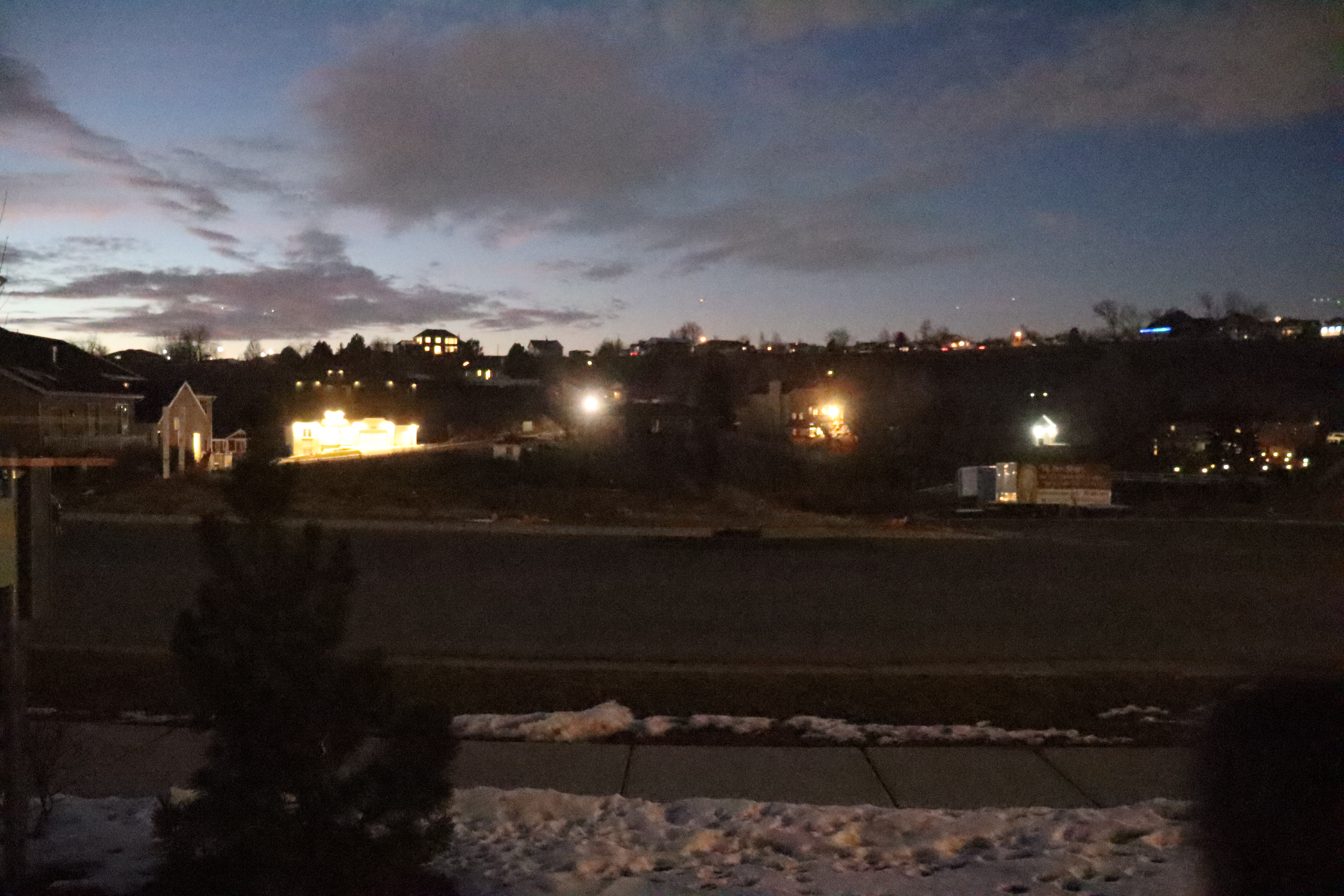
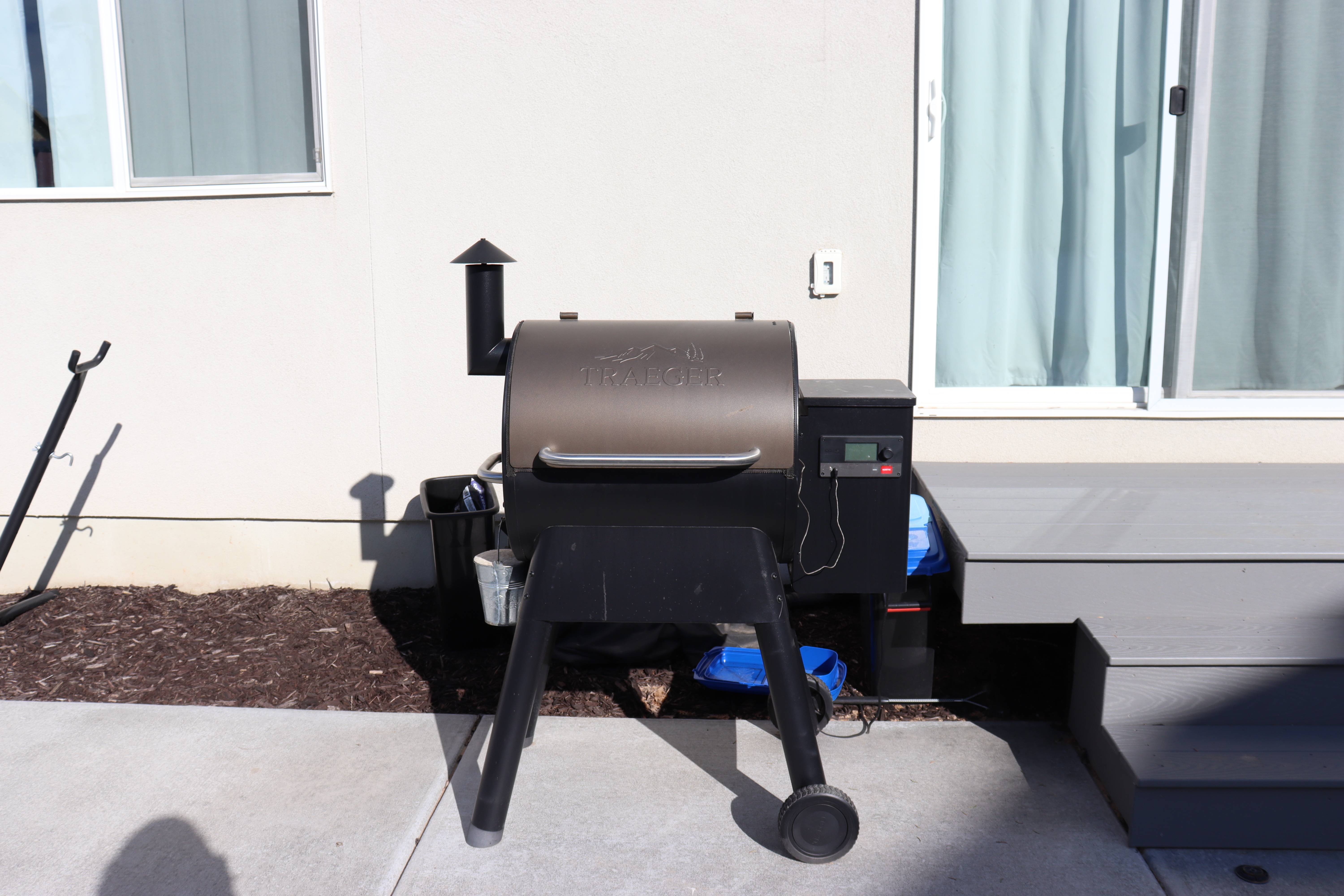
ISO will brighten your photo at the expense of image quality. Typically you want to use this as a last resort when adjusting the aperture and shutter speed fails to expose the image. In any other circumstances you want your ISO to remain at 100, but keep in mind that the higher your ISO goes, the more “noise” will appear in your image. This noise is pixilation, which makes your image grainy and puts it at a lower quality.
 Eazy Briezy Photography