Aperture, shutter speed, and ISO are the main three factors that control the exposure of a photo, as well as make up the Exposure Triangle. Balancing these three factors is essential for a good quality photo.

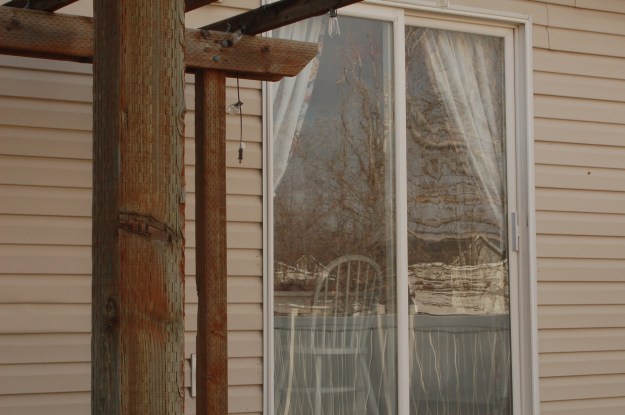
Aperture controls how wide the lens is open. This affects how much light is let in to the lens, as well as the depth of field. In the first photo above I used an aperture of 5.6, a shutter speed of f1/250, and an ISO of 200. While the photo is bright and well exposed, the only thing in focus is the main subject. In the second photo I used an aperture of 22, a shutter speed of f1/85, and an ISO of 200. This photo is a little darker, but everything in the photo is clearly in focus.
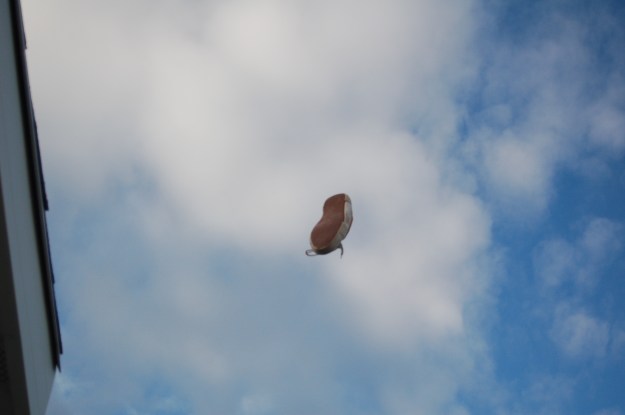
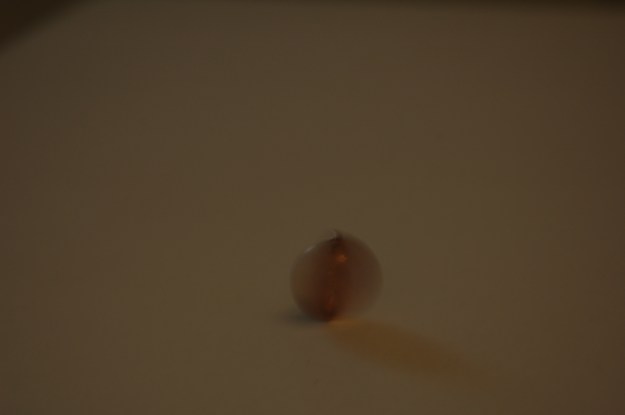
Shutter speed controls how fast the curtains of the camera open and close. This assists in controlling how exposed the photo is, and also controls how blurry the subject of focus is. It also controls how blurry the background of the photo is. In the first photo, the subject is in focus, while the background is blurry. This is called blur motion, and gives the appearance that the object in the photo is moving quickly. In the second photo, everything is perfectly in focus, giving the appearance that time has stopped, or frozen. When you have a higher shutter speed, your image will be darker, and vise versa.
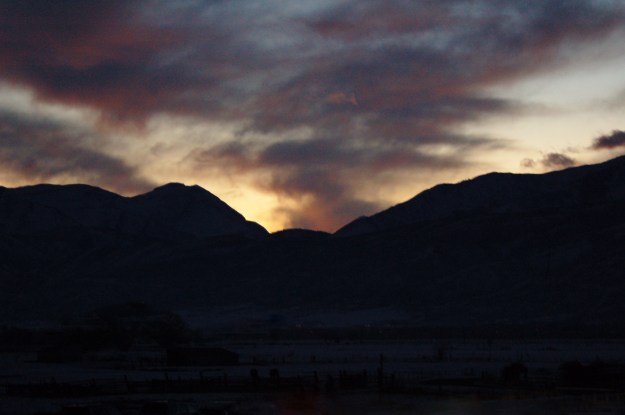
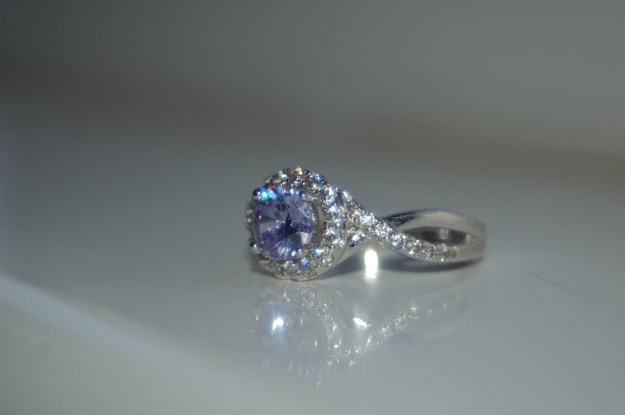
ISO increases the brightness of a photo at the expense of image quality. ISO measures the sensitivity of the image sensor. The lower the number the less sensitive your camera is to light and the finer the grain. By choosing a higher ISO you can use a faster shutter speed, or a higher aperture, and get the photo you need. But the higher your ISO is the more “noise” there is in the image.
 Eazy Briezy Photography